Some records sell well. A much smaller number actually change what music sounds like after they exist. The difference between a popular album and an influential one is not chart position or critical reception: it is whether the production techniques, the structural choices, or the artistic approach become part of how subsequent musicians think about their craft.
This list focuses on what specifically changed in music production, songwriting, and industry practice after each of these albums arrived. Understanding what made them influential is more useful to working musicians than simply knowing they were important.
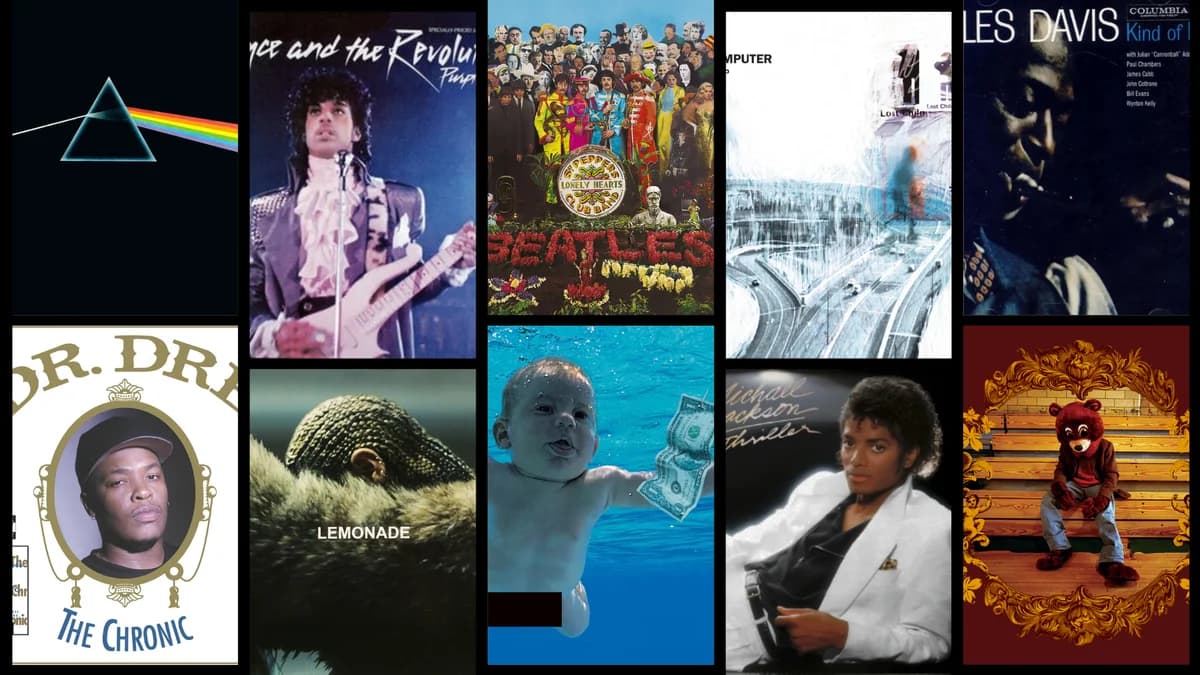
1. The Beatles – Sgt. Pepper's Lonely Hearts Club Band (1967)
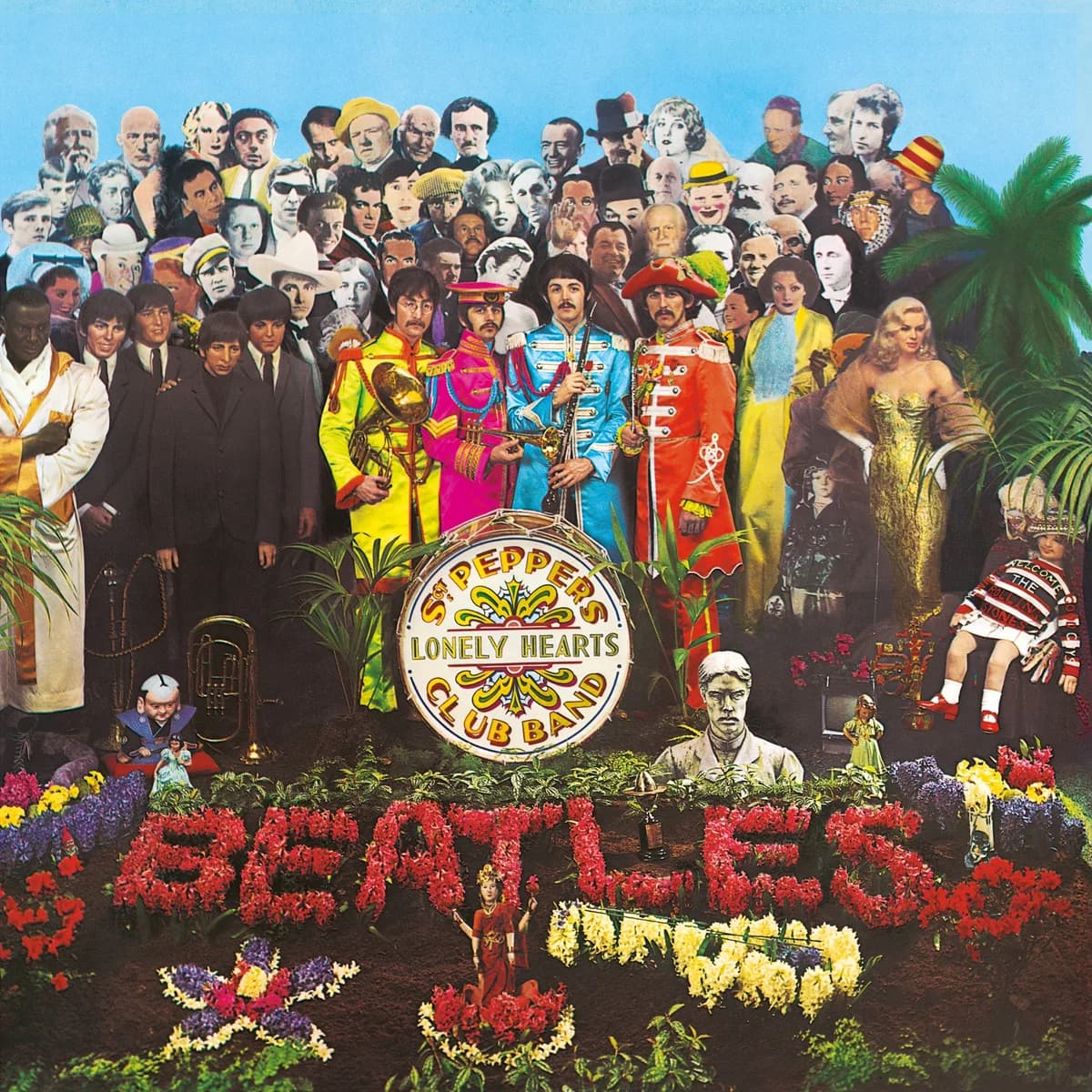
What changed: Before Sgt. Pepper's, pop albums were primarily collections of singles. The studio was treated as a recording location rather than a creative instrument. Producer George Martin and engineer Geoff Emerick pushed the technical limits of Abbey Road's four-track tape machines, using tape loops, backward recording, orchestral overdubs, and variable speed recording to create sounds that had no precedent in pop music.
Specific techniques introduced or popularized:
- ADT (Automatic Double Tracking), invented for this record, became standard in studio production
- Direct injection recording for bass, giving a cleaner low-end signal than miked amplifiers
- Treating the album as a unified conceptual experience rather than a track list
- Extensive use of Indian instruments and non-Western scales in pop context
What musicians learned from it: The studio is a compositional tool. Sounds that do not exist in nature can be created through tape manipulation and electronic processing. Albums can have thematic coherence that elevates individual tracks.
2. Miles Davis – Kind of Blue (1959)
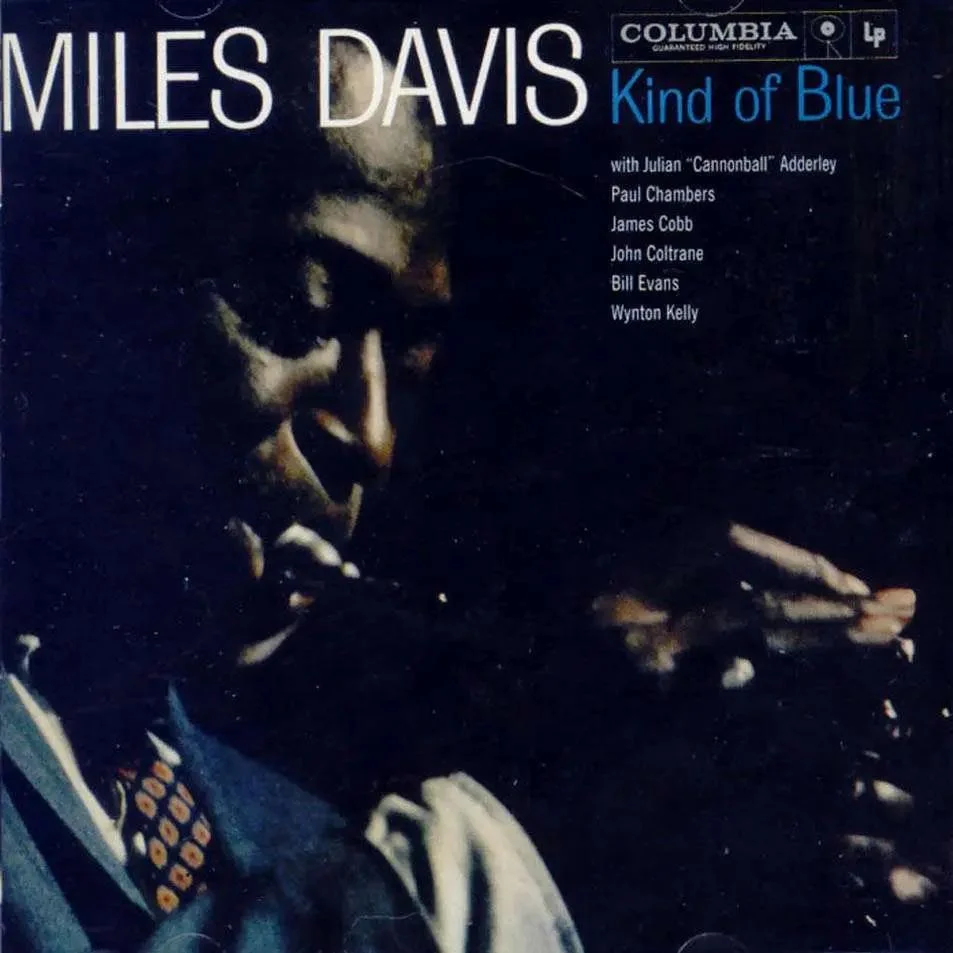
What changed: Jazz in the late 1950s was dominated by bebop, a style built on complex chord progressions played at high tempos. Davis, working with arranger Bill Evans and a band that included John Coltrane and Cannonball Adderley, moved away from chord-based improvisation entirely. Modal jazz, introduced here at scale, organized improvisation around scales (modes) rather than rapidly changing chord changes.
Specific innovations:
- Improvisation structured around modes (Dorian, Mixolydian) rather than chord progressions
- Deliberately sparse arrangements that gave improvising musicians more space
- Minimal rehearsal: most tracks were near-first-take performances, giving the record an openness that composed arrangements cannot achieve
- The album sold over five million copies, making it the best-selling jazz record ever and proving that experimental jazz could reach a mass audience
What musicians learned from it: Constraint produces creativity. Reducing harmonic complexity can expand melodic possibility. The emotional character of a scale shapes improvisation differently than chord-to-chord navigation.
3. Pink Floyd – The Dark Side of the Moon (1973)
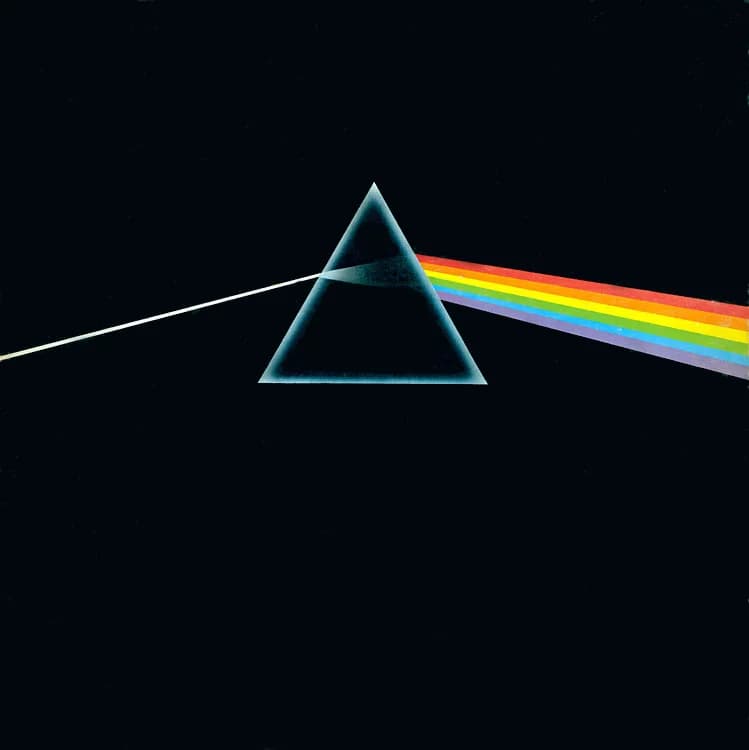
What changed: The album spent 741 consecutive weeks on the Billboard 200 chart. Its longevity came from a combination of technical quality and conceptual coherence that was unusual for rock at the time. Recorded at Abbey Road using 16-track machines with engineer Alan Parsons, it pushed quadraphonic sound design into the mainstream.
Specific innovations:
- Extensive use of tape loops and synthesizers (the EMS Synthi A) integrated into rock arrangements
- Spoken word passages and found sound (heartbeats, cash registers, clocks) woven into the musical structure
- The album plays as a single continuous piece, with segues connecting every track
- Roger Waters' use of thematic motifs (the heartbeat opening and closing the record) established a compositional technique now standard in concept albums
What musicians learned from it: Production texture and sound design are compositional elements equal to melody and harmony. An album can sustain a single emotional argument across its entire runtime.
4. Michael Jackson – Thriller (1982)
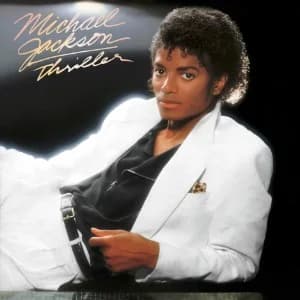
What changed: Producer Quincy Jones and engineer Bruce Swedien's production approach on Thriller set the standard for pop sound quality that persisted through the 1980s and beyond. The record sold over 66 million copies and is the best-selling album in history.
Specific innovations:
- The Linn LM-1 drum machine's programming on "Billie Jean" established a rhythmic template copied in thousands of subsequent pop and R&B productions
- Swedien's "Acusonic Recording Process" layered multiple tape generations deliberately to create a specific sonic depth that digital recording could not initially replicate
- Music videos for "Thriller" and "Beat It" established the video as a primary promotional art form, directly influencing how labels allocated production budgets
- Jackson's performance captured the intersection of rock guitar (Eddie Van Halen's solo on "Beat It"), pop songcraft, and R&B rhythm in a way that made genre boundaries commercially irrelevant
What musicians learned from it: Production quality at the highest level is a competitive advantage, not just a technical consideration. The music video is not a promotional afterthought but part of the artistic work.
5. Nirvana – Nevermind (1991)

What changed: The album sold 300,000 copies in its first week and displaced Michael Jackson's Dangerous from the number one position in January 1992. The commercial impact was a shock to an industry that had not anticipated alternative rock reaching mainstream pop audiences. Butch Vig's production approach was deliberately rough by the polished standards of 1980s rock production.
Specific innovations:
- The "loud-quiet-loud" song structure (pioneered by the Pixies but brought to mass audience by Nirvana) became the template for alternative rock arrangements throughout the 1990s
- Cobain's approach to guitar tone: high-gain distortion recorded close to clipping, with a deliberately abrasive texture that contradicted the smooth guitar tones of 1980s rock
- Major labels immediately began signing alternative and indie bands following Nevermind's success, restructuring A&R priorities across the industry
- The production approach validated rawness as an aesthetic choice rather than a budget limitation
What musicians learned from it: Emotional directness and raw production can reach wider audiences than polished perfection. Genre barriers are commercial constructs, not fixed categories.
6. Dr. Dre – The Chronic (1992)
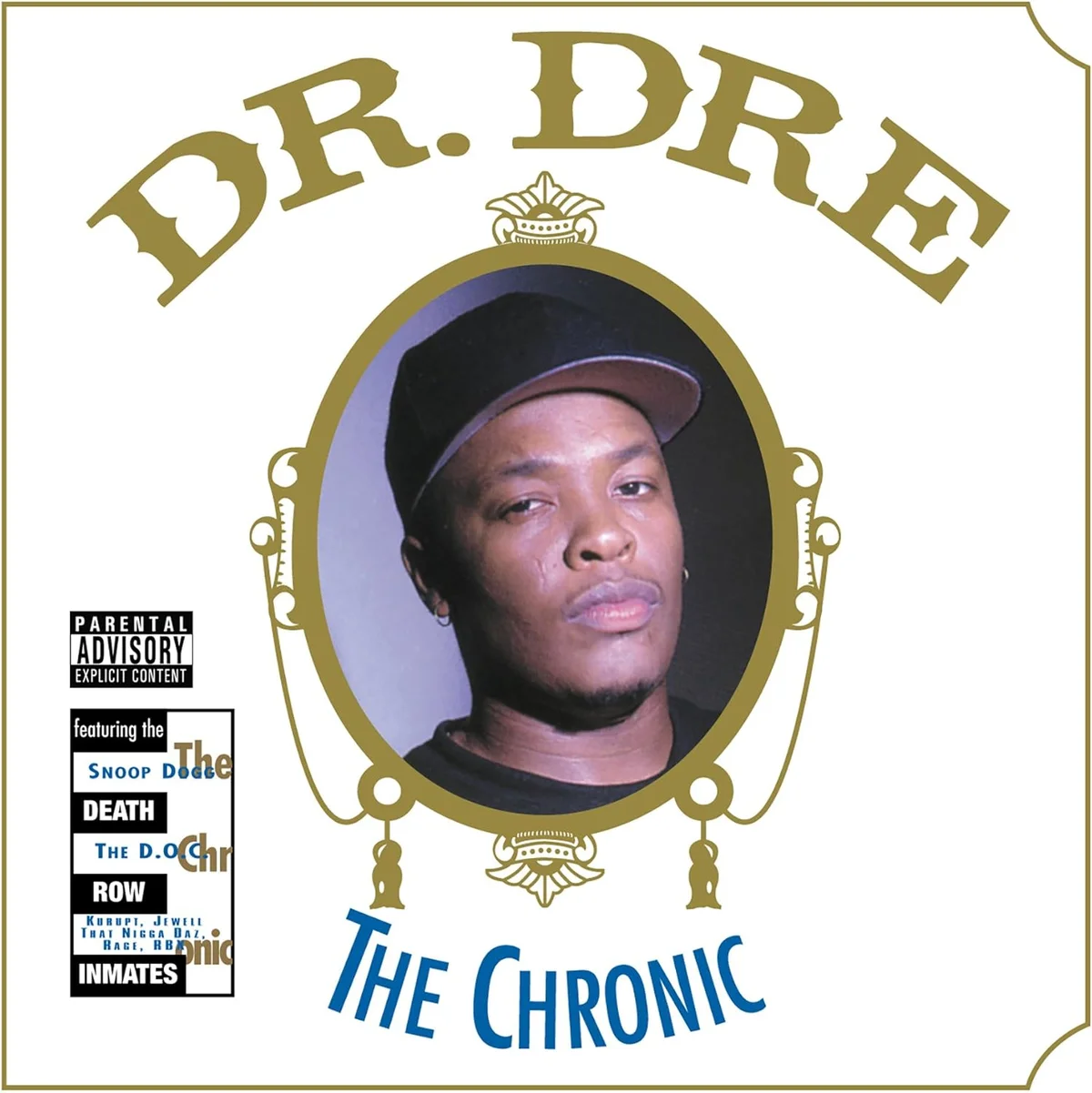
What changed: Dre's production on The Chronic established G-funk as the dominant sound of West Coast rap and significantly elevated production quality standards in hip-hop. The album launched both Death Row Records and the careers of Snoop Dogg and Warren G.
Specific innovations:
- G-funk's sonic signature: slow, rolling beats built from the Roland TR-808 drum machine combined with samples from Parliament-Funkadelic records, particularly the melodic synthesizer lines played over the top
- Mixing technique: the album's low end was engineered specifically for car audio systems, anticipating how the audience would listen in a way that studio-centered production did not
- The "call and response" narrative structure in track sequencing, where skits and interlude tracks connected the album's songs into a loose story
- Live musicians hired alongside sampling, creating a hybrid production approach that influenced the sound of subsequent major hip-hop albums
What musicians learned from it: Know your audience's listening environment and engineer for it. Production aesthetic and genre identity can be inseparable.
7. Radiohead – OK Computer (1997)
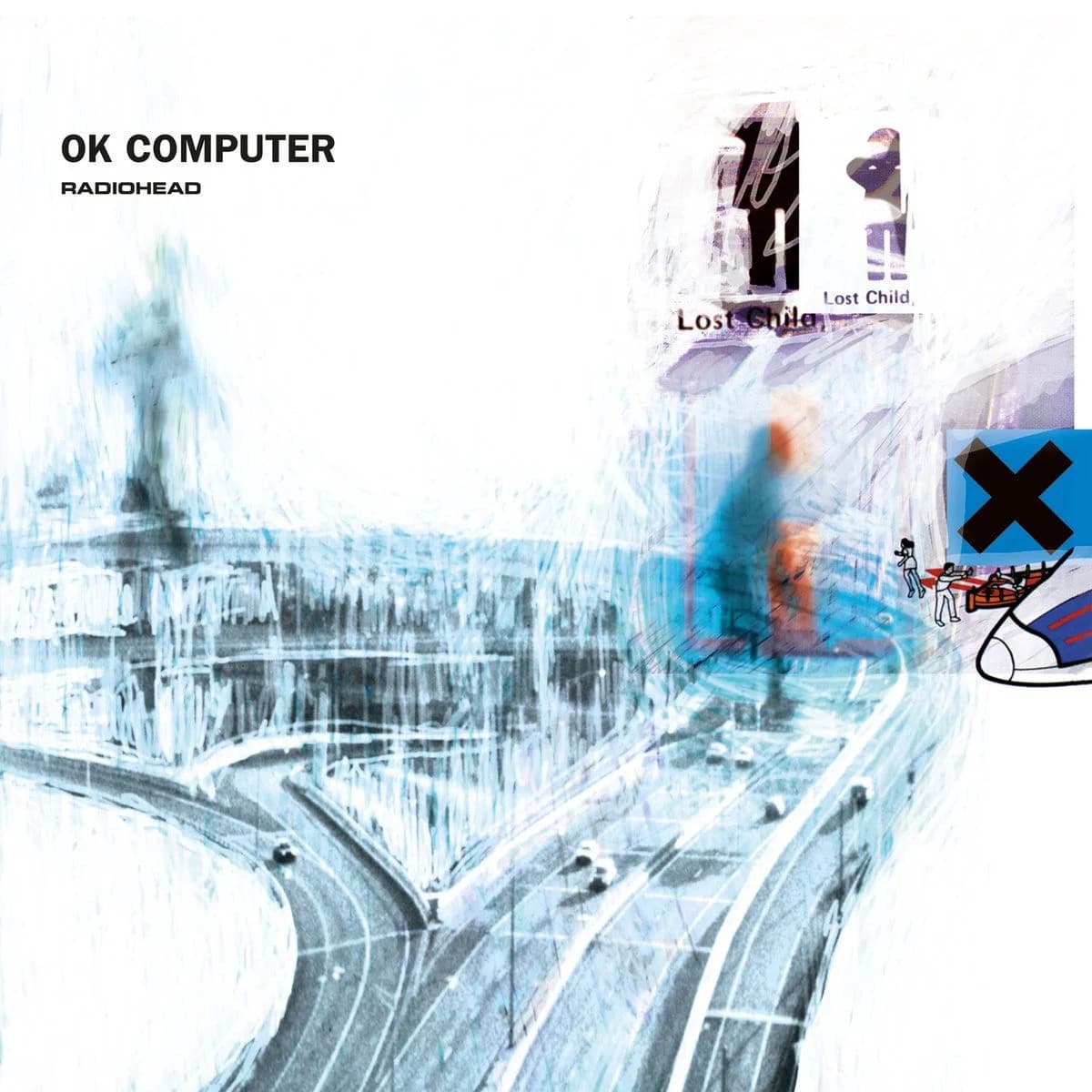
What changed: Recorded largely in a country house in Bath using a mobile studio, OK Computer demonstrated that unconventional recording environments and arrangements could produce commercially successful alternative rock. It won the Grammy for Best Alternative Album and is regularly cited as one of the most influential records of the 1990s.
Specific innovations:
- Producer Nigel Godrich's use of sampling alongside live performance, blurring the distinction between electronic and organic sounds
- Song structures that deliberately avoided verse-chorus conventions: "Paranoid Android" moves through three distinct sections with no repeated chorus
- Jonny Greenwood's use of ondes Martenot (an early electronic instrument) and orchestral arrangements integrated into rock production
- The album's anxiety about technology and alienation presaged themes that became central to alternative music in the internet era
What musicians learned from it: Commercial success does not require structural conformity. The recording environment shapes sound in ways that studio production cannot replicate.
8. Prince – Purple Rain (1984)
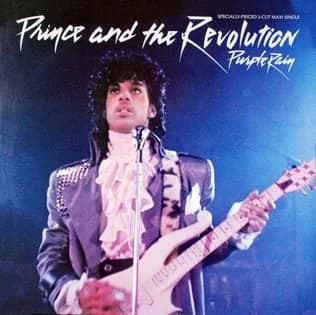
What changed: Prince wrote, produced, and performed most of the album himself, playing guitar, bass, keyboards, percussion, and singing all lead and backing vocals. At a time when major pop records typically involved separate writers, producers, and musicians, this level of singular creative control was exceptional.
Specific innovations:
- The production demonstrates how funk rhythm, rock guitar, and pop melody can coexist without diluting any of them
- Prince's guitar tone on "When Doves Cry" and "Purple Rain" influenced countless guitarists; the complete absence of bass on "When Doves Cry" was a deliberate production choice that made the arrangement immediately distinctive
- The album-film combination (released with a semi-autobiographical concert film) established a model for album marketing that anticipated music video culture and streaming-era visual albums
- Proved that complete artistic self-sufficiency was viable at a commercial scale
What musicians learned from it: Controlling your creative process entirely is possible even at the highest commercial level. Genre hybridity is a strength when executed with conviction.
9. Kanye West – The College Dropout (2004)

What changed: West's production style on The College Dropout introduced pitched-up soul samples as a primary melodic device in hip-hop. The technique of chopping and pitching vocal samples from older soul records (the "chipmunk soul" sound) became one of the most imitated production approaches in the years following the album's release.
Specific innovations:
- Soul samples pitched up by 3 to 5 semitones to create a brighter, more melodic texture than traditional hip-hop sampling
- West's use of orchestral arrangements (strings, horns) alongside drum machine beats expanded the sonic palette of mainstream hip-hop
- The album's lyrical content: personal, vulnerable, often self-deprecating narratives that contradicted the dominant aggressive persona of mainstream rap in the early 2000s
- Launched a shift in what hip-hop lyricism could address, influencing subsequent artists including Drake, J. Cole, and Kendrick Lamar
What musicians learned from it: Production technique and lyrical approach can define a new subgenre. Vulnerability is not a weakness in hip-hop.
10. Beyoncé – Lemonade (2016)
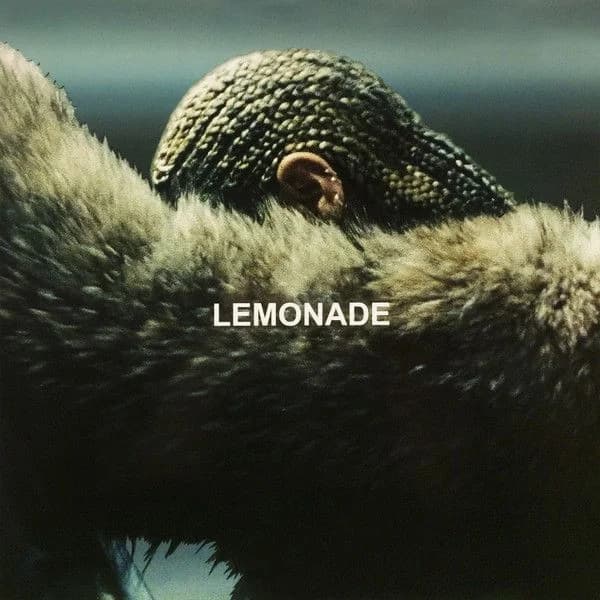
What changed: Released without prior announcement directly to Tidal as a visual album with an accompanying HBO film, Lemonade demonstrated that the album-as-event model was viable in the streaming era. The release strategy generated substantial press coverage and streaming numbers precisely because it subverted the conventional lead-single promotional cycle.
Specific innovations:
- The visual album format: every track has an accompanying film segment, creating a single 65-minute cinematic and musical experience
- Production range: the album moves from country (Jack White contributing guitar) to R&B to hip-hop to blues-inflected rock across its runtime, with the genre shifts serving narrative purposes
- The surprise release strategy, building on what Beyoncé had established with her 2013 self-titled album, demonstrated that artists with sufficient audience ownership can bypass the traditional promotional machine entirely
- Frank Ocean's Blonde and multiple major releases in subsequent years adopted the same surprise release approach
What musicians learned from it: Release strategy is part of the artistic statement. Owning your audience relationship directly gives you control over how and when your work reaches them.
What These Albums Have in Common
Looking across these ten records, a few patterns emerge:
Technical innovation served artistic purpose. None of these producers adopted new techniques because they were new. The ADT on Sgt. Pepper's, the drum machine programming on Thriller, the pitched samples on The College Dropout: each technical choice was made because it solved a specific creative problem.
Genre boundaries were treated as suggestions. Purple Rain combines funk, rock, and pop. Lemonade spans country, R&B, and hip-hop. Kind of Blue stripped jazz of its complexity. The records that changed music rarely stayed inside the category they were working in.
The production approach embodied the artistic statement. The rough texture of Nevermind expressed something that a polished production could not. The lush, continuous sound design of The Dark Side of the Moon made the album's themes audible in the music itself, not just the lyrics.
For working musicians, these albums are worth studying not as relics but as case studies in creative problem-solving. What problem was each one trying to solve, and what did it invent to solve it?