Here are 21 ways musicians can earn income in 2026, from streaming royalties to session work. Most successful independent artists combine 3-5 of these streams.
The average full-time independent musician earns income from 5 to 8 different sources. Not because they planned it that way from the beginning, but because they kept adding revenue streams until the math started working. Most musicians who quit do so while depending on 1 or 2 sources that were never going to be enough on their own.
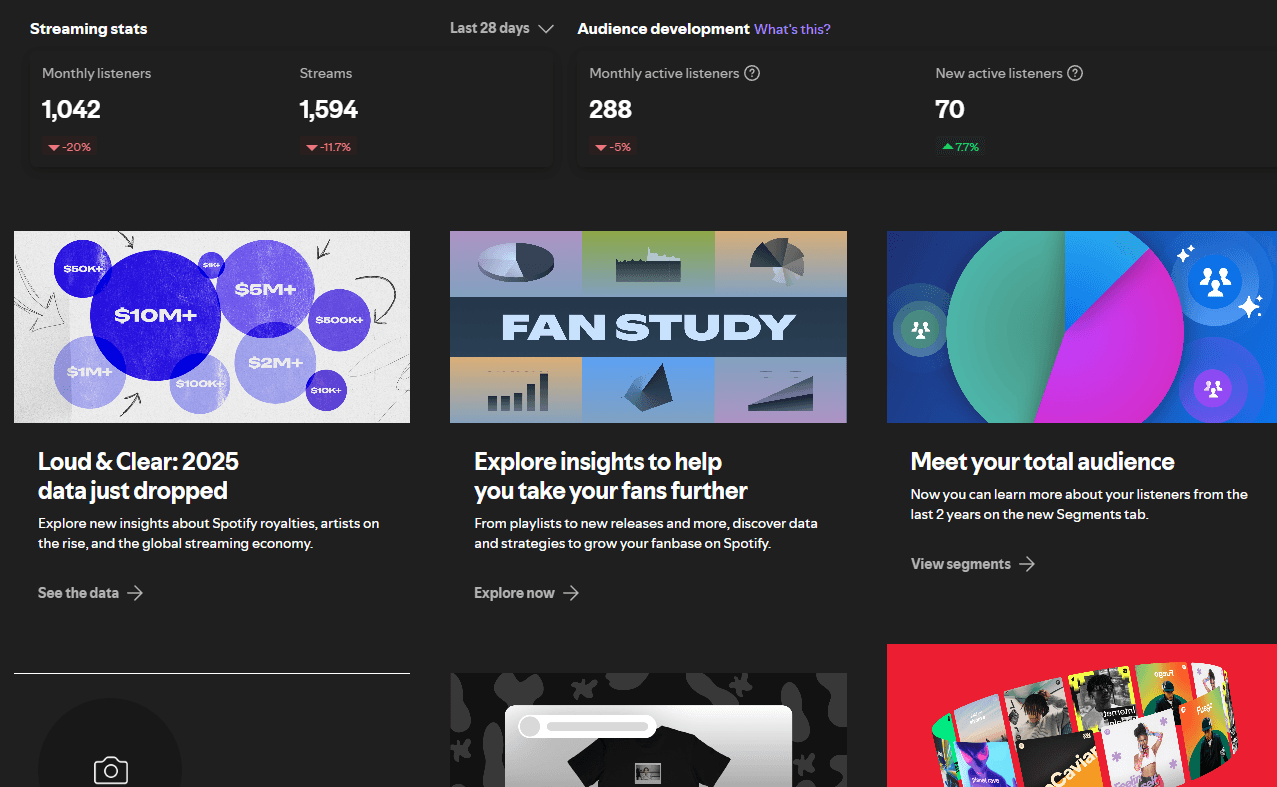
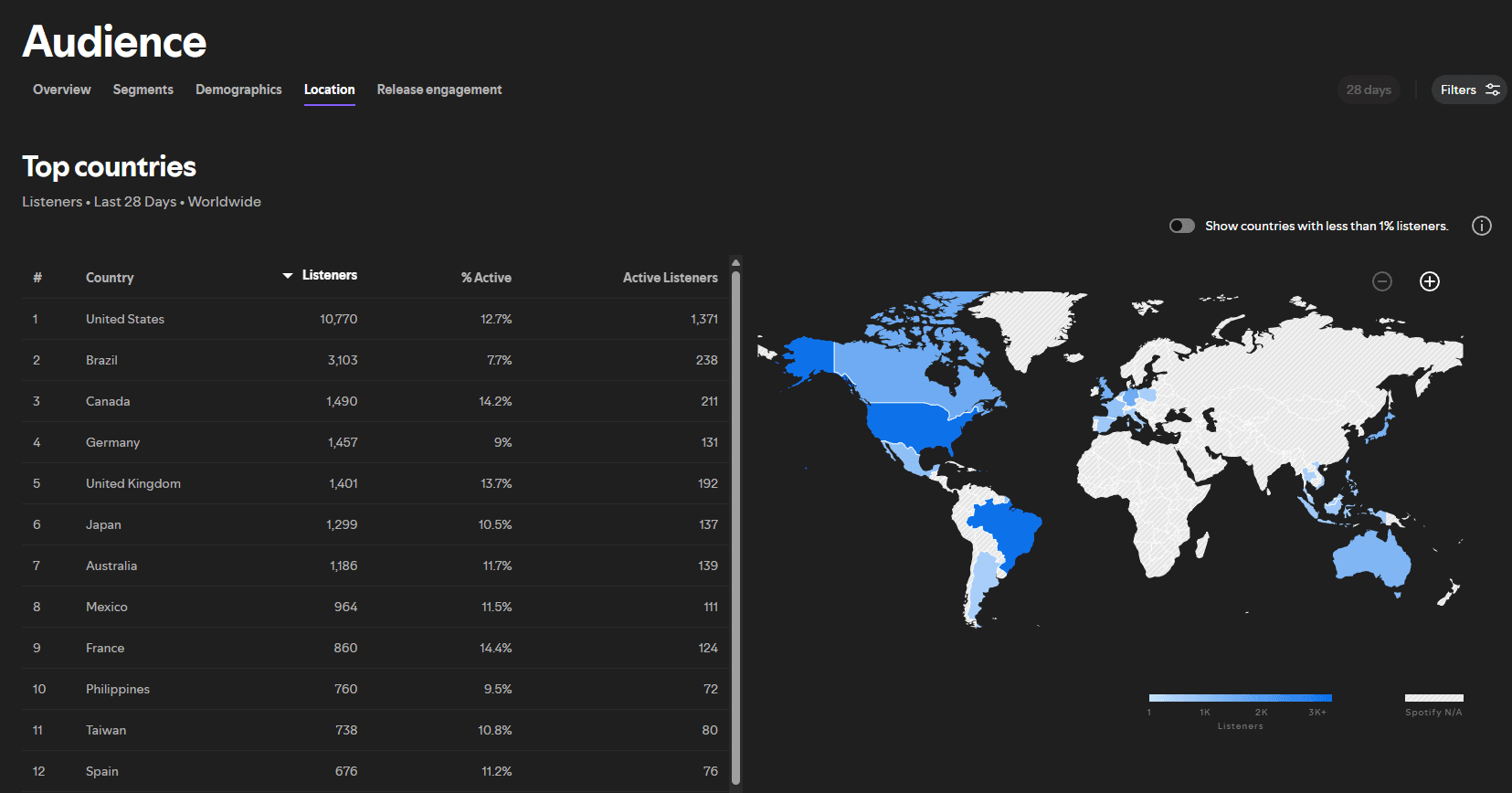
Spotify pays $0.002761 per stream. To earn $4,000 a month from Spotify alone, you need roughly 1 million streams per month, every month. That is a realistic goal for the top 1% of independent artists. For everyone else, the path to a sustainable music income is combining multiple streams where each one contributes $200 to $2,000 per month.
Quick-Scan List: All 21 Methods
- Streaming royalties (master side) - Earn per stream from Spotify, Apple Music, and other DSPs through your distributor
- Mechanical royalties (composition side) - Earn from streaming mechanicals through the MLC (free registration)
- Performance royalties (PRO income) - Earn from radio, streaming, TV, and live performances through your PRO
- Digital performance royalties (SoundExchange) - Earn from non-interactive radio like Pandora and SiriusXM (free registration)
- Sync licensing fees - One-time payments for placing your music in film, TV, ads, and games
- YouTube Content ID - Earn when other creators use your music in their videos
- YouTube channel monetization - Ad revenue, memberships, and Super Chats from your YouTube channel
- Live shows and tours - Performance fees, guarantees, and door splits at venues
- Merchandise - T-shirts, vinyl, posters, and other physical products with profit margins
- Patreon and membership platforms - Recurring monthly income from fans who subscribe for exclusive content
- Teaching and private lessons - Hourly income from teaching instruments, production, or music theory
- Online courses and masterclasses - One-time creation, then semi-passive sales through platforms like Teachable or Gumroad
- Session musician work - Per-track or per-session fees for recording instruments on other artists' projects
- Music production for other artists - Beat licensing and full production packages
- Sample packs and sound design - Sell packs on Splice or direct-to-consumer
- Brand partnerships and sponsorships - Paid promotions for music gear, software, and lifestyle brands
- Library music and production music - Non-exclusive library placements that accumulate income through volume
- Neighboring rights - International royalties for master recordings played on foreign radio and TV
- Live streaming and virtual concerts - Ticketed live streams and Twitch subscriptions
- Crowdfunding - Kickstarter or Indiegogo campaigns for albums, tours, or projects
- Grants and arts funding - Awards from ASCAP, BMI, state arts councils, and music foundations
Active vs. Passive Income: The Framework
Before the full list, it helps to categorize income by type.
Active income requires your direct time and effort for each earning event. Teaching guitar lessons pays you when you show up. Stop showing up, stop earning.
Passive income requires upfront work but continues generating revenue without ongoing effort. A song registered with your PRO and the MLC earns royalties from streams, radio, and TV plays regardless of what you do that day.
The most financially stable musicians have both types. Active income provides predictability. Passive income builds over time as your catalog grows.
The 21 Revenue Streams
1. Streaming Royalties (Master Side)
What it pays: Spotify averages $0.002761 per stream. Apple Music averages $0.004619 per stream. Rates vary by country and subscription tier.
Monthly potential: 100,000 monthly streams generates approximately $300 to $700. 1 million streams generates $3,000 to $7,000.
Type: Passive once distributed.
How to start: Upload to all platforms through a distributor like DistroKid (7% off). Students can use the DistroKid student plan (50% off). See our distributor comparison.
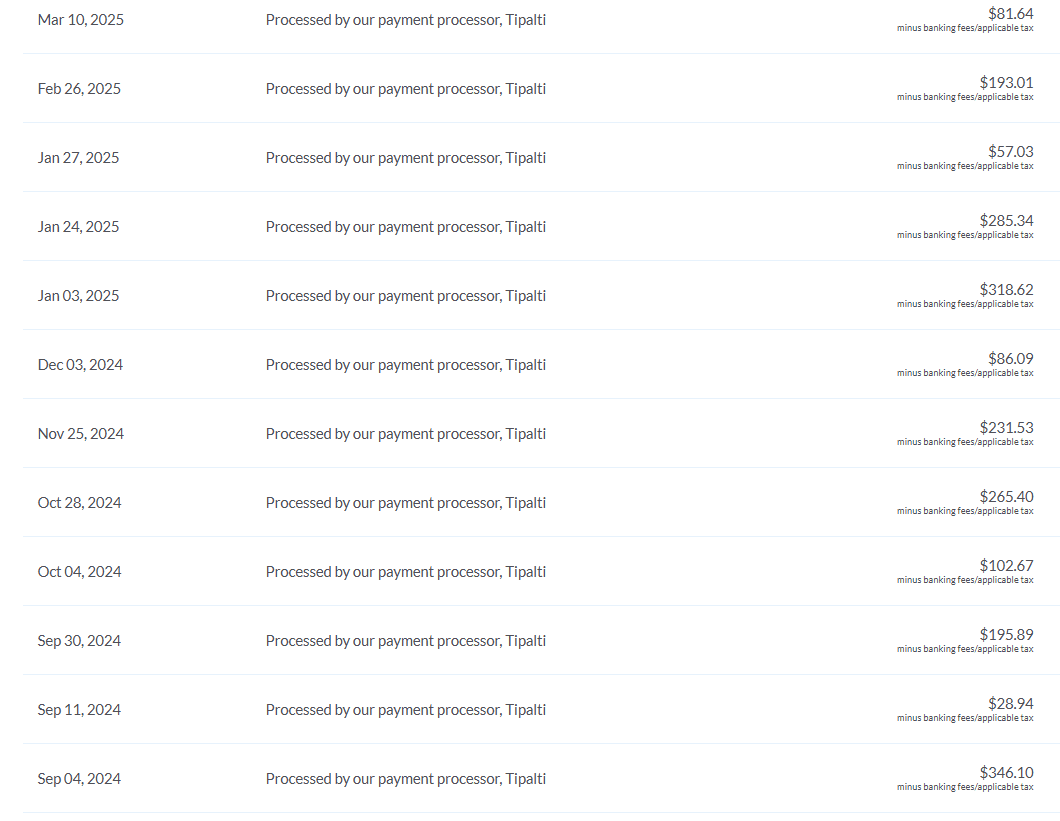
Time to first dollar: 2-4 weeks after distribution goes live. Income potential: $200-$7,000+/month depending on stream volume. Difficulty: Low to start, high to scale.
Use our streaming royalty calculator to estimate your monthly earnings across all platforms.
2. Mechanical Royalties (Composition Side)
What it pays: The statutory mechanical rate in the US is $0.091 per download and a percentage-of-revenue rate for streaming mechanicals, set by the Copyright Royalty Board.
Monthly potential: Independent of streaming master royalties. These are separate payments for the composition. An artist with 500,000 streams per month could earn an additional $150 to $500 in mechanical royalties on top of their master royalties.
Type: Passive. Requires one-time registration.
How to start: Register your songs directly with the Mechanical Licensing Collective (MLC). Free to join. Your distributor does not do this automatically.
Time to first dollar: 3-6 months after registration and streaming activity. Income potential: $50-$500/month for mid-level independent artists. Difficulty: Low (one-time registration).
3. Performance Royalties (PRO Income)
What it pays: Varies by radio spins, streaming activity, live performances, and TV/film placements. An artist with moderate US radio presence can earn $1,000 to $10,000+ per quarter.
Type: Passive. Requires PRO registration and song registration.
How to start: Join ASCAP, BMI, or SESAC. Register every song you release. See our PRO registration guide.
Time to first dollar: 6-12 months after registration (PROs process quarterly). Income potential: $50-$10,000+/quarter depending on performance activity. Difficulty: Low to register, results depend on exposure.
4. Digital Performance Royalties (SoundExchange)
What it pays: $0.001 to $0.003 per stream on non-interactive radio: Pandora, SiriusXM, iHeartRadio, internet radio.
Type: Passive. Requires free registration.
How to start: Register at SoundExchange.com. This is separate from your PRO and your distributor. Most artists skip this and leave real money behind. Read our SoundExchange guide.
Time to first dollar: 3-6 months after registration. Income potential: $50-$2,000+/year for artists with non-interactive radio play. Difficulty: Low (free registration).
5. Sync Licensing Fees
What it pays: $250 to $150,000+ depending on placement. A background track in an indie film: $500 to $2,500. A 30-second national TV commercial: $10,000 to $75,000. A Netflix show: $3,000 to $15,000.
Type: Active to acquire (requires pitching), then passive income from the placement itself.
How to start: Build a catalog with stems and instrumentals. Submit to music libraries like Musicbed, Artlist, or Pond5. See our sync licensing guide.
Time to first dollar: 3-12 months of active pitching. Income potential: $500-$75,000 per placement. Difficulty: High (competitive, requires relationships and catalog quality).
6. YouTube Content ID
What it pays: $0.001 to $0.003 per view on videos using your music. Accumulates meaningfully for widely-used tracks.
Type: Passive after setup.
How to start: Enable Content ID through your distributor's add-on service or through a service like AdRev. See our YouTube Content ID guide.
Time to first dollar: 1-3 months after setup. Income potential: $50-$2,000+/month for tracks with viral usage. Difficulty: Low to set up, passive thereafter.
7. YouTube Channel Monetization
What it pays: $1 to $5 per 1,000 views (CPM varies by niche, audience location, and content type). A music YouTube channel with 100,000 views per month earns approximately $100 to $500 in ad revenue. Channel memberships and Super Chats add additional income. YouTube Shopping lets you sell merch directly from your channel with integrations to Shopify, Spring, and Fourthwall.
Type: Active (requires creating content consistently).
How to start: Enable YouTube Partner Program once you have 1,000 subscribers and 4,000 watch hours (or 3 million Shorts views in 90 days). See our YouTube monetization guide.
Time to first dollar: 3-6 months of consistent content creation. Income potential: $100-$5,000+/month. Difficulty: Medium (requires consistent content and audience building).
8. Live Shows and Tours
What it pays: Venue guarantees for emerging artists: $100 to $1,000 per show. Mid-level touring artists: $2,000 to $10,000 per night. Ticket split arrangements on the door vary widely by market.
Type: Active. One of the highest active income streams available to performing musicians.
How to start: Begin with local and regional shows to build a draw. Learn how to negotiate guarantees in our first tour guide.
Time to first dollar: Immediate (first paid gig). Income potential: $100-$10,000+ per show. Difficulty: Medium (requires performance skills and booking effort).
9. Merchandise
What it pays: Profit margins on screen-printed T-shirts typically run $8 to $18 per unit. Vinyl records at $25 to $35 retail with $5 to $15 margins depending on pressing costs. High-margin items: digital downloads, posters, stickers.
Type: Semi-passive (upfront design work, ongoing fulfillment required).
How to start: Use print-on-demand services like Printful or Printify for zero-inventory merchandise, or order custom runs for tour and live sales. See our merchandise guide.
Time to first dollar: 1-2 weeks to set up a store. Income potential: $200-$5,000+/month. Difficulty: Low to start, medium to scale.
10. Patreon and Membership Platforms
What it pays: A music artist with 200 Patreon members at an average of $8/month earns $1,600 per month in recurring, predictable income. Platform takes 5 to 12% depending on plan.
Type: Semi-active (requires creating exclusive content for members monthly).
How to start: Build your Patreon before you need it, not when you are desperate for income. See our Patreon setup guide.
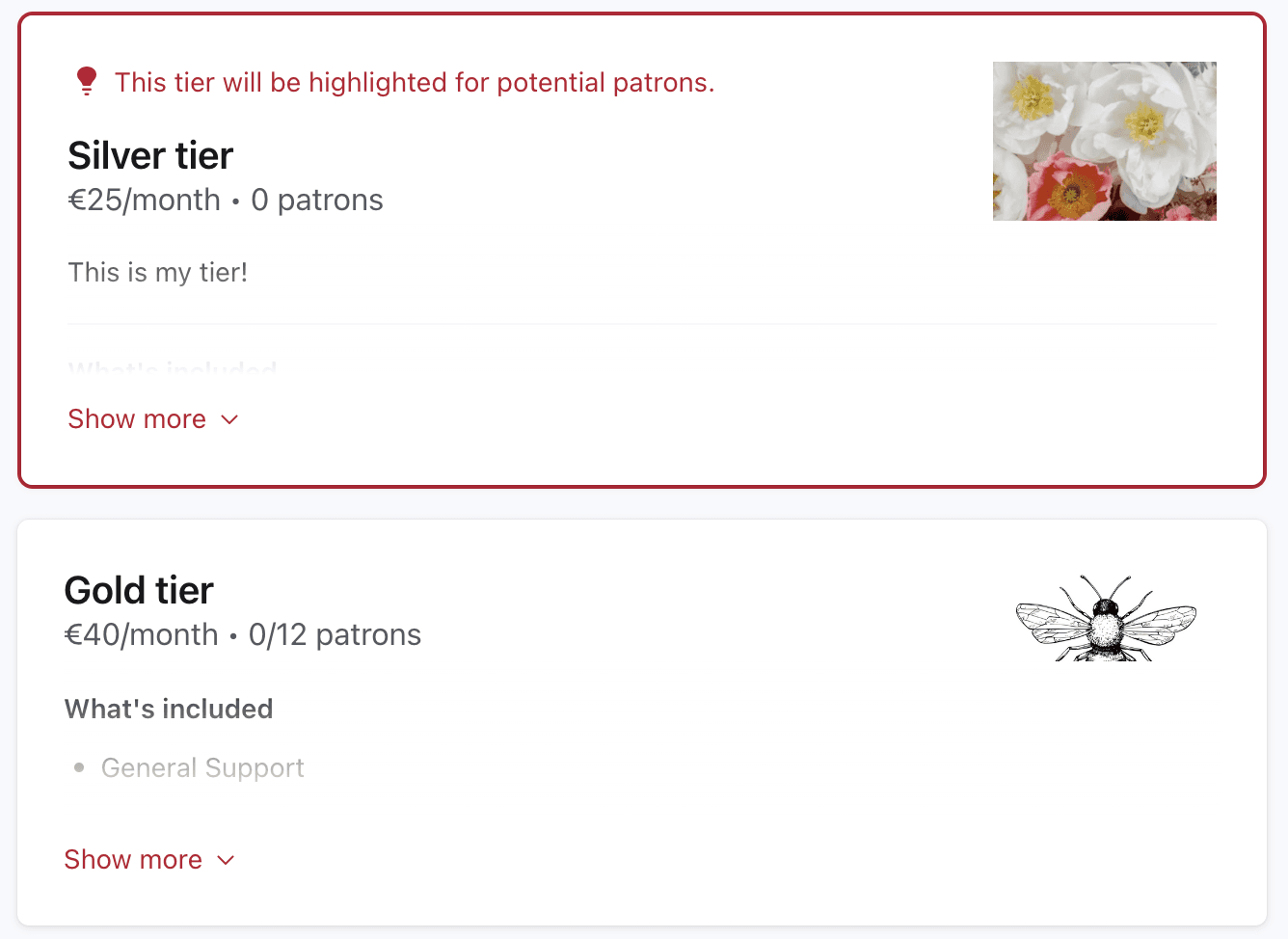
Time to first dollar: 1-3 months to build initial membership. Income potential: $200-$5,000+/month recurring. Difficulty: Medium (requires engaged fanbase and consistent content).
11. Teaching and Private Lessons
What it pays: $30 to $150 per hour depending on skill level, location, and format (in-person vs. online). A teacher with 10 students at $60/hour for one lesson per week earns $2,400 per month.
Type: Active. Immediate income with no audience required.
How to start: List on Lessonface, TakeLessons, or start locally. Online lessons via Zoom have removed geographic limitations from this income stream.
Time to first dollar: Immediate (first student). Income potential: $500-$5,000+/month. Difficulty: Low (requires teaching skills, no audience needed).
12. Online Courses and Masterclasses
What it pays: A well-produced online course on production, songwriting, or music business priced at $97 to $497 can generate $1,000 to $10,000+ per launch if you have an engaged email list or social audience.
Type: Active to create, then semi-passive through evergreen sales.
How to start: Use platforms like Teachable, Gumroad, or Kajabi. Start with a workshop or masterclass to validate demand before building a full course.
Time to first dollar: 1-3 months to create and launch. Income potential: $1,000-$50,000+ per launch. Difficulty: Medium to high (requires expertise and audience).
13. Session Musician Work
What it pays: AFM union scales for major label recording sessions start at $420 for a 3-hour session. Non-union rates vary: $50 to $500 per track for remote session work is common for indie productions.
Type: Active.
How to start: Build a high-quality demo reel, list on session musician platforms, and network with local producers and studios. See our session musician guide.
Time to first dollar: 1-3 months to build reputation. Income potential: $50-$500+ per session. Difficulty: Medium (requires professional-level skills and networking).
14. Music Production for Other Artists
What it pays: Beat licensing: $20 to $500 per non-exclusive license, $200 to $5,000+ for exclusive. Full production packages for indie artists: $500 to $5,000 per track depending on your credits and market.
Type: Active.
How to start: Build a portfolio, set up a beat store (BeatStars, Airbit), and market to vocalists and rappers in your genre. See our guide to finding work as a music producer.
Time to first dollar: 1-2 months to set up and get first sales. Income potential: $200-$10,000+/month. Difficulty: Medium (requires production skills and marketing).
15. Sample Packs and Sound Design
What it pays: A well-marketed sample pack on Splice or direct-to-consumer priced at $20 to $60 can sell 500 to 5,000 copies. Top producers on Splice with large followings earn $5,000 to $50,000+ per pack release.
Type: Active to create, then passive sales.
How to start: See our sample packs and sound kits guide.
Time to first dollar: 1-3 months to create and distribute. Income potential: $500-$50,000+ per pack. Difficulty: Medium (requires sound design skills).
16. Brand Partnerships and Sponsorships
What it pays: Micro-influencer rates (10,000 to 50,000 followers): $200 to $2,000 per post. Mid-tier (100,000 followers): $2,000 to $10,000 per campaign. Rates depend heavily on engagement rate, not just follower count.
Type: Active (requires pitching brands and creating sponsored content).
How to start: Identify brands aligned with your genre and audience. Reach out directly with your media kit. Music equipment, audio software, clothing, and lifestyle brands are the most common sponsors for musicians.
Time to first dollar: 2-6 months of outreach. Income potential: $200-$10,000+ per campaign. Difficulty: Medium to high (requires engaged audience and outreach effort).
17. Library Music and Production Music
What it pays: Production music library placements pay $15 to $150 per license for standard uses. Non-exclusive libraries accumulate income through volume. Some specialized libraries offer revenue share arrangements.
Type: Active to create, then passive.
How to start: Submit to libraries like Musicbed, Artlist, or PremiumBeat. Production quality and metadata completeness are the gating factors. See our library music guide.
Time to first dollar: 3-12 months after submission. Income potential: $100-$3,000+/month passive. Difficulty: Medium (requires catalog quality and patience).
18. Neighboring Rights
What it pays: Varies by international radio and TV activity. Independent artists with international streaming presence can earn $500 to $10,000+ annually from neighboring rights once properly set up.
Type: Passive after registration.
How to start: Register with a neighboring rights collection society or use an administrator like Songtrust or Orfium to handle multi-territory collection. See our neighboring rights guide.
Time to first dollar: 6-18 months after registration. Income potential: $500-$10,000+/year. Difficulty: Medium (complex international registration).
19. Live Streaming and Virtual Concerts
What it pays: A musician with 1,000 engaged fans charging $10 per virtual ticket earns $10,000 per live stream show, minus platform fees (10 to 30%). Ongoing live streams on Twitch can generate $200 to $2,000+ per month from subscriptions and tips with a modest audience.
Type: Active.
How to start: See our live streaming guide for platform comparisons and setup.
Time to first dollar: 1-3 months to build a streaming audience. Income potential: $200-$10,000+ per stream. Difficulty: Medium (requires performance and audience engagement skills).
20. Crowdfunding
What it pays: A musician with an engaged email list of 2,000 subscribers can realistically raise $5,000 to $30,000 on Kickstarter or Indiegogo for an album campaign, depending on reward tiers and audience engagement.
Type: Active (requires running a campaign with consistent communication).
How to start: Build your email list before you need the campaign. Crowdfunding succeeds based on existing fan relationships, not viral reach.
Time to first dollar: 30-60 day campaign. Income potential: $5,000-$50,000+ per campaign. Difficulty: High (requires engaged audience and campaign management).
21. Grants and Arts Funding
What it pays: ASCAP, BMI, and major music foundations offer grants ranging from $1,000 to $25,000. State arts councils offer project grants of $500 to $10,000. Recording grants (FACTOR in Canada, Creative Victoria in Australia) can cover $10,000 to $50,000 in recording costs.
Type: Active to apply, then income with no strings attached to rights.
How to start: Research grants available in your country. In the US, check ASCAP's grants page, BMI's Foundation, and your state's arts council. See our music scholarships directory for additional funding opportunities.
Time to first dollar: 3-12 months (application cycles). Income potential: $1,000-$50,000 per grant. Difficulty: Medium (requires strong application and project plan).
New and Emerging Income Methods for 2026
AI Music Licensing (with caveats)
AI-generated music is creating new licensing opportunities, but the landscape is shifting rapidly. Some platforms accept AI-assisted music for sync libraries and background music services. However, Spotify and other DSPs have implemented AI detection systems that can flag and remove fully AI-generated content. SubmitHub (10% off with code t4m10off) and other playlist curators are increasingly screening for AI-generated submissions.
The honest assessment: AI music licensing is a real but uncertain income stream. Use AI tools to assist your creative process, not replace it. Fully AI-generated tracks face growing platform restrictions. If you use AI in your workflow, disclose it appropriately and ensure your music has genuine human creative input.
Discord Server Subscriptions
Discord's native Server Subscriptions feature lets you sell tiered access directly within your server. You set the price, define what each tier opens, and Discord handles billing. The platform takes a 10% cut (you keep 90%), which is better than most alternatives.
Pricing in the $3 to $10/month range works well for most independent artists. Even 50 paying subscribers at $5/month adds $225/month after Discord's cut. Note that Server Subscriptions are currently only available to US-based server owners.
How to start: Build a Discord community first, then enable Server Subscriptions in your server settings. See our Discord for musicians guide for full setup instructions.
YouTube Shopping
YouTube Shopping lets you sell merchandise directly from your channel. You can connect your store (Shopify, Spring, Fourthwall, Spreadshop) to YouTube and tag products in your videos, Shorts, and live streams. The merchandise shelf appears below your videos automatically once configured.
How to start: You need 1,000+ subscribers and a linked store from an approved platform. Set up your channel store in YouTube Studio under the Monetization tab.
TikTok SoundOn Distribution
TikTok's SoundOn is a distribution service that pays 100% of royalties on TikTok, CapCut, and other ByteDance surfaces forever. For third-party DSPs (Spotify, Apple Music, etc.), you keep 100% in year one and 90% thereafter. In February 2026, SoundOn overhauled its royalty model to include multi-play counting and derivative works detection.
The honest assessment: SoundOn is best for artists whose listener base starts on TikTok. If your audience discovery happens on TikTok, SoundOn can earn 18-22% more net royalty per stream than a standard distributor. If your audience comes from elsewhere, a traditional distributor like DistroKid (7% off) may be simpler.
NFT and Web3 (honest assessment)
NFT and Web3 income for musicians has not lived up to the hype of 2021-2022. The market has contracted significantly. Some artists still generate income through music NFTs on platforms like Sound.xyz or Catalog, but the audience is small and the technology barrier is high for most fans.
The honest assessment: NFT income is real for a small number of artists with crypto-native audiences, but it is not a reliable income stream for most independent musicians in 2026. Treat it as experimental, not foundational. Focus on the other 20 methods first.
How to Build Your Revenue Stack
Do not try to activate all 21 streams at once. The musicians who burn out trying to be everywhere simultaneously end up doing none of them well.
A practical build order:
Phase 1 (Start here): Streaming royalties (1), mechanical royalties via MLC (2), performance royalties via PRO (3), SoundExchange (4). These four registrations take about 3 hours and generate passive income from your existing catalog. No new work required.
Phase 2 (Build active income): Add whichever active stream best fits your current situation. If you perform live, prioritize live shows (8) and merchandise (9). If you teach, add private lessons (11). If you produce, explore session work (13) or beats (14).
Phase 3 (Add high-value passive streams): Once you have consistent cash flow from active income, invest time in sync licensing (5) and online courses (12), which have higher income ceilings but require more upfront work.
The goal is to reach a point where 3 to 4 streams each generate $1,000 to $3,000 per month. At that point, a bad month on any single stream does not derail your finances.
Frequently Asked Questions
Q: How many income streams should I realistically aim for?
A: Start with the four passive registration streams (MLC, PRO, SoundExchange, Content ID) immediately, then build toward 2 to 3 active income streams that match your skills and audience. Trying to manage more than 6 to 8 active streams simultaneously usually results in none of them getting proper attention.
Q: Which revenue stream grows the fastest for a new artist?
A: Teaching and session work provide immediate income regardless of your audience size. Streaming income and royalties grow proportionally with your audience, so they scale up over time. For new artists with no audience yet, active income streams are more reliable than passive ones.
Q: Is it possible to make a full-time living from streaming alone?
A: For most independent artists, no. The math requires 1 million+ streams per month consistently to reach a $40,000 to $50,000 annual income from streaming alone. That is achievable but puts you in the top 1 to 2% of independent artists by streaming volume. Most working musicians treat streaming as one income stream among several, not their primary source.
Q: What is the highest-paying income stream per hour of work?
A: Sync licensing has the highest per-placement income ceiling ($1,000 to $75,000+ per placement), but it requires significant catalog development upfront. Teaching and session work pay $30 to $150 per hour with immediate return on time invested. Brand partnerships can pay $200 to $2,000 per social post for artists with engaged audiences.
Start With What You Already Have
The lowest-effort improvement most musicians can make today is completing the passive registrations they are missing. If you have released music and are not registered with the MLC, your PRO, and SoundExchange, you are already leaving money on the table from work you already did.
Run through the audit checklist in our music royalties guide, complete the missing registrations, then start building your active income streams from there.
Next Steps:


