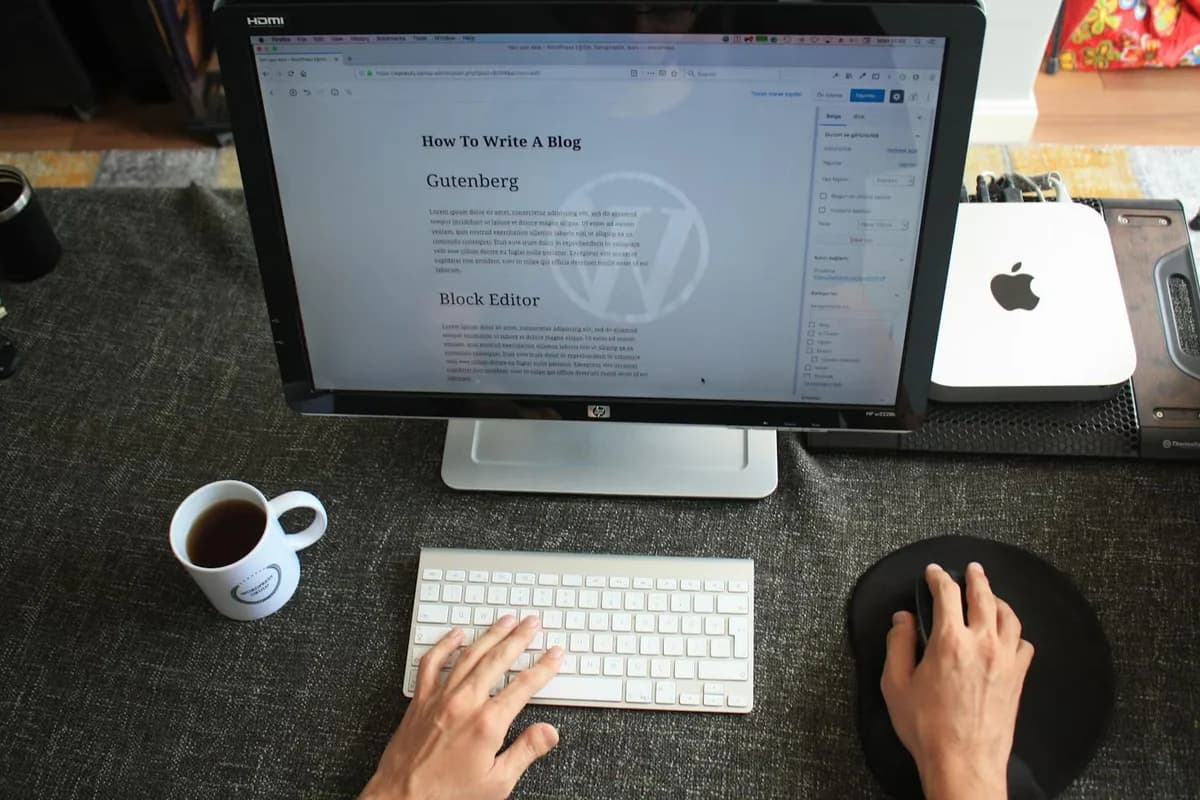
Blogging opens doors when playlists ignore new voices. Though attention scatters across endless scrolls, writing about music carves out room to stand apart. Instead of chasing viral moments, some creators find footing by sharing thoughts on sound, gear, or gigs. When radio slots vanish and press coverage fades, words still gather listeners. For solo singers, studio engineers, touring groups, or label scouts, a personal site becomes ground to build presence. Not every post spreads wide. Yet consistent notes online create paths back to the work itself.
Blogging means more than putting words on a screen - stories matter, being found counts, connections grow here, thinking ahead pays off. If gaining attention is the goal, shaping how people see you helps, showing up online makes a difference, better search results open doors - few spaces do all that like blogs.
Blogging can help artists grow their music path. This guide looks at reasons to begin, ways it connects to your sound journey, plus real steps to take first. Some find writing about process sharpens purpose. Sharing small moments builds unseen bridges. Words add depth beyond tracks alone. Starting does not demand perfection - just showing up. Think of posts like notes to a friend who gets what you do. Tools matter less than truth in what you say. Even short entries count when they carry weight. Your voice already has value; putting it out changes things.
The Modern Music Scene and the Ongoing Role of Blogging
These days, tunes live online before anywhere else - so creators need more than just plays and thumbs-ups. People find songs by typing into browsers, pass them along through handpicked posts, maybe even fall for them inside stories that give meaning. Running a blog puts you in charge of how your sound gets seen, helps shape a footprint that sticks.
Here’s what blogs help you achieve:
1. Improved Visibility Using SEO
Blogging helps websites show up more easily in online searches. That’s a key reason it works so well for visibility.
Every time you share material using key terms - like your stage name, music type, or lyrics - it helps search tools notice your site more. Over weeks, they start placing your page nearer the top when fans look up those words
- new music in your genre
- artist interviews
- tour info
- song meanings
- behind-the-scenes insights
Fresh content catches search engine attention - especially when it includes the right keywords. A blog built on smart SEO opens doors for artists to be seen online. Over time, that kind of setup pulls in steady visitors without extra effort.
2. Stronger Bond With Supporters
Now here comes a space where time slows down - blogs give room to stretch thoughts beyond the rush of feeds. While social platforms reward quick clicks shaped by hidden rules, long-form writing stays when readers want depth. Moments pass fast online, yet paragraphs wait patiently, built just how you shape them.
What You Can Share Through Blogging
- Your creative process
- The inspiration behind songs
- Tour experiences and personal stories
- Music industry insights
- Guidance and hints meant for fellow players of instruments
A story told fully sticks deeper than a quick update ever could. When fans feel they truly know what lies beneath, their bond grows without needing constant reminders. Depth invites trust in ways snippets simply cannot match.
3. Easier Fan Base Growth and Engagement
When someone reads your blog, they might start feeling like they know you. Sticking around becomes more likely because there is something to respond to, think about, or follow up on. Time spent grows when posts spark reactions instead of just passing glances. Comments appear where silence once lived, subscriptions replace one-time visits. These small actions add up into measurable attention - real signals showing people are listening.
What happens next? A reader hits subscribe through email. Suddenly, there’s a path straight to them - no algorithms, no sudden rule shifts on social apps. That steady connection? It matters more than most realize
- announcing new releases
- promoting tours
- selling merchandise
- sharing exclusive insights
Folks start looking there when they want the real deal, straight from you. Content lives at that spot because it feels personal, like a note left on a table.
4. Media Presence and Trust
A mention on a blog, yours or someone else's, tends to make listeners take you more seriously. Even now, these sites shape what people listen to, helping unknowns reach those who care about new sounds.
Here’s what might show up in a blog post:
- interviews
- music reviews
- features on your journey
- thematic pieces about your latest projects
A mention in writing - yes, even online pages - tells others you’re someone worth noticing. That quiet signal cuts through the noise of endless creators scrambling for attention.
5. Better Networking and Stronger Industry Connections
Where music lovers gather online, real links form between creators and listeners alike. Jumping into these spaces - writing on your site or teaming up elsewhere - opens doors slowly. Relationships grow when voices mix across platforms without pushing too hard. Over time, those quiet efforts connect dots you did not expect
- collaborations
- playlist placements
- bookings
- press features
- What shows up on the tag might not match who really runs things behind the scenes
A fresh voice on your blog can pull in new readers. Working alongside fellow writers opens doors you might not find alone. Sharing space builds trust without asking for it.
6. Increase Traffic Build Lasting Online Presence
A single blog can open another door leading straight to your site. Little by little, those pieces form trails online - places where people bump into you after searching, sharing, or following links from elsewhere.
Fresh blog posts breathe life into your site, something static pages - say, a homepage or music list - can’t do. Because they’re always new, search engines notice them more often. That steady update rhythm pulls in visitors over time, without pause.
7. Content That Works Anywhere
A fresh angle on blogging? Turning old posts into new material. That trick saves time while reaching different audiences. Some writers pull quotes for social updates. Others split long articles into short guides. This reuse builds momentum without extra effort. Think of each post as a starting point. Old words gain new life across platforms
- turn a blog post into a social carousel or Reel
- embed a blog link in newsletters
- convert stories into podcast episodes
- use blog material in press kits
Every time you make something, it reaches further because it works on more than one place at once. Your effort stretches when what you build moves easily between channels.
8. Enhanced Artist Storytelling
Stories shape how people feel about songs. When words meet melody, something sticks. Think of a journal beside a record player. That space lets listeners dig deeper than timestamps allow. A post here, a thought there - it builds what the notes mean. Streaming shows play counts. Writing shares why they matter.
Stories pull people closer. When songs come from real moments - like late nights writing alone or tough crowds on the road - they feel more alive. A truth shared quietly can stick longer than a shout. Meaning matters because ears remember what hearts recognize.
9. Educational Depth and Leadership
A blog works well when you create music and also like explaining how things come together - maybe recording tricks, ways to write songs, or what really happens behind the scenes. People start seeing you differently: not only as someone who performs, but as someone worth learning from, which draws in listeners who value knowing more about your craft.
10. Streaming and Monetization Growth
Here’s how a blog connects to numbers streaming services care about. When posts include video players, views might go up. Links inside articles sometimes lead users straight to shows. Traffic shifts when readers click through. Platforms notice patterns like longer visits. Sometimes, more shares happen after blog coverage. Each post acts like a quiet signal. Results show up in watch time reports later
- increase streams
- drive followers
- improve engagement ratios
When people find your music through blogs, it spreads more naturally. This kind of discovery pushes platforms to show it wider. Activity catches attention, so real interaction builds momentum over time. Each listen counts when the system notices consistent movement.
Blogging for Artists Getting Started
1. Choose Your Platform
Begin here if you like
- Your own artist website (WordPress or Bandzoogle)
- Medium or Substack for easy publishing
- Integrated blog in your artist site
2. Define Your Audience
Understand who you’re writing for:
- existing fans
- industry professionals
- potential collaborators
How it feels, what gets talked about, even how things are planned - that’s all shaped by this.
3. Create a Content Calendar
Showing up matters most. Stick to a rhythm - say every week or two - that holds attention, keeps people coming back, stays visible online.
4. Follow SEO Guidelines
Include keywords related to:
- your music genre
- song titles
- tour locations
- trending music topics
Finding your show gets easier when people use search tools online.
5. Promote Your Blog
Post things where people gather online, like groups or email updates. Team up now and then with different writers to get seen by more eyes.
Final Thoughts
A painter might think typing sentences has little to do with sound, yet sharing thoughts online shapes how people see your work. One steady stream of posts can pull listeners closer, opening paths you didn’t expect. Words become a quiet stage where fans find reasons to stay. Your voice, written plainly, adds depth others can feel without hearing a single note
- connect with fans on a deeper level
- improve discoverability and SEO
- Grabbing spotlight from press, catching eyes across sectors
- build a long-term audience
- generate repurposed content for all platforms
These days, being seen and sharing your journey matters more than ever for solo creators. Writing online stands out as a strong way to connect when you make art on your own. Every song carries a background worth explaining. Share that background instead of staying silent.


