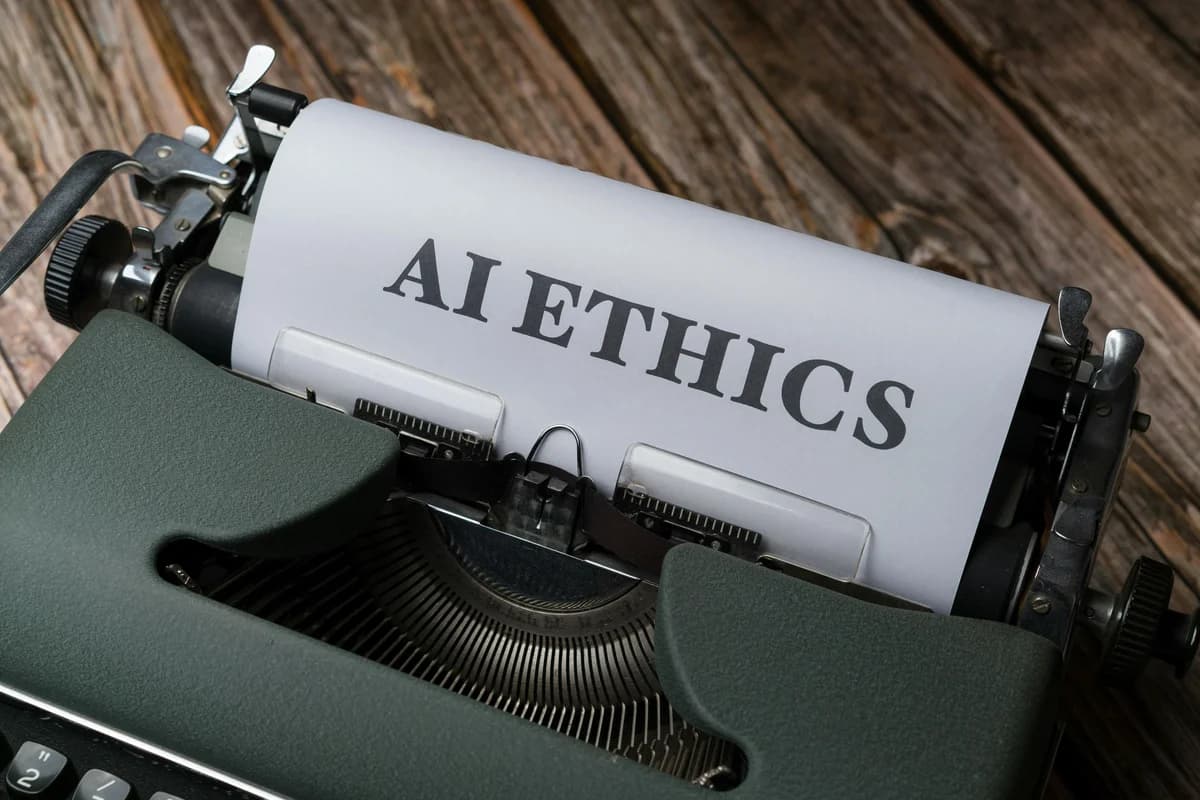
AI music tools have moved from novelty to mainstream faster than most musicians anticipated. Suno, Udio, and similar generative AI platforms can now produce complete songs from text prompts. Stem separation tools like Moises and Lalal.ai are used by working producers daily. AI mastering services have been mainstream for years. Melodyne's AI pitch correction is in virtually every modern DAW. The question for most musicians is no longer whether to use AI, but which uses are acceptable, legally sound, and honest toward fans and collaborators.
This guide covers the specific ethical and legal questions that matter for independent musicians using AI in 2026, with concrete guidance for different use cases rather than vague principles.
What You Will Learn
- The key legal questions around AI training data and what they mean for musicians
- Which AI tools have clear licensing terms and which do not
- Copyright status of AI-generated music in 2026 and what it means for your releases
- Platform policies on AI-generated content for streaming and social media
- Disclosure practices: what to tell fans, labels, and collaborators
- The voice cloning and likeness problem: where the legal line sits
- A use-case guide: which AI applications are low risk vs high risk
The Training Data Problem: Why It Matters
Most AI music models were trained on large datasets of existing recordings, many of which were scraped from the internet without explicit permission from the rights holders. This is the central legal and ethical controversy in AI music.
What this means practically: When an AI tool generates music that sounds similar to an artist whose recordings were used in training, the rights holders of those recordings have potential claims. Ongoing litigation (including multiple cases against major AI music companies as of 2025-2026) is working through whether training on copyrighted material without license constitutes infringement.
How to evaluate a tool's training data: Look for tools that explicitly state they trained on licensed or royalty-free content, or that offer indemnification if a generated output is claimed by a rights holder. Examples of tools that have made public commitments about licensed training data include:
- Adobe Firefly (audio features): Trained on licensed and public domain content
- Stability AI's tools: Increasingly offering licensed-data options after pressure from rights holders
- Tools that cannot or will not disclose their training data sources should be treated with more caution for commercial use
This is not a reason to avoid all AI tools. It is a reason to understand what you are using and for what purpose.
Copyright Status of AI-Generated Music in 2026
The US Copyright Office has consistently held that works generated entirely by AI without meaningful human authorship are not copyrightable. A text prompt alone is not sufficient authorship. However, human creative input in the process can qualify a work for copyright protection.
The practical question: How much human creative input is enough?
The Copyright Office has registered works where AI was used as a tool but a human made substantial creative decisions: selecting, arranging, modifying, and structuring AI-generated elements into a final work. The more a human has shaped the output through specific creative choices (selecting from multiple generations, editing, compositing with original elements, rewriting), the stronger the case for copyright protection.
What this means for your releases:
- Releasing a raw AI-generated audio file as-is: minimal copyright protection, if any
- Using AI-generated elements that you have substantially modified, arranged, and combined with original elements: stronger position for copyright protection
- Writing original lyrics over AI-generated music and producing it yourself: the lyrics and any original elements are copyrightable; the AI-generated music portion may not be
Keep records of your creative process, including what you changed, added, or decided. This documentation can be important if copyright is ever contested.
Platform Policies on AI-Generated Content
Streaming platforms have introduced policies on AI-generated content as of 2024-2026:
Spotify: Requires artists to disclose if their music is entirely AI-generated. Has stated it may remove content that appears to be generated purely to collect royalties without genuine creative intent (sometimes called "streaming fraud"). Does not ban AI-assisted music.
Apple Music: Has not issued specific AI content policies as of early 2026 but has removed music identified as cloning established artists' voices without permission.
DistroKid and TuneCore: Both require artists to confirm they have the rights to distribute content they upload. DistroKid added a checkbox specifically for AI-generated content in 2024.
TikTok and Instagram: Both have content identification systems that can flag AI-generated audio. Using AI to clone an existing artist's voice in content you post on these platforms can trigger takedowns and account restrictions.
YouTube: Content ID applies to AI-generated music that samples or substantially reproduces copyrighted material. Fully original AI-generated audio typically does not trigger claims, but AI vocals that mimic real artists can.
Voice Cloning: Where the Legal Line Sits
Voice cloning is the highest-risk area in AI music. Using AI tools to clone a specific artist's voice and release recordings as if that artist performed them, or to imply their involvement, can create:
- Right of publicity claims (an individual's right to control commercial use of their likeness and voice)
- False advertising or misleading representations
- Potential defamation if the fake performance is damaging to the artist's reputation
The No Fakes Act, proposed in the US in 2024, would establish explicit federal protection against AI-generated clones of a person's voice or likeness without consent. Several states have already passed similar laws.
The clear line: Using AI to clone another artist's voice for your commercial music, whether credited or uncredited, is both ethically and legally problematic. Using AI voice tools on your own voice (pitch adjustment, style transfer within your own vocal style) is a different matter and generally unproblematic.
A Use-Case Guide: Low Risk to High Risk
Low risk
- AI mastering tools (iZotope Ozone AI, eMastered, Landr): No copyright or ethical issues. These are analytical tools applied to your own audio.
- AI pitch correction (Melodyne, Auto-Tune): Industry standard. No ethical concerns.
- AI stem separation (Moises, Lalal.ai) on your own recordings: Fine.
- AI-assisted mixing suggestions: No concerns.
- Generative AI for reference tracks or demo sketches you develop into original recordings: Low risk, provided you substantially transform the output.
Medium risk (requires care and disclosure)
- Using generative AI to create backing music you release commercially: Check the tool's licensing terms. Disclose AI involvement. Ensure no copyright protection issues on what you release.
- AI-generated lyrics you use in your songs: Technically no copyright protection on the AI's output, but the final song with your musical arrangement may be copyrightable. Flag this in your writing process notes.
- AI tools for sound design: Generally low concern, but tools trained on unlicensed samples could create downstream issues in commercial releases.
High risk (avoid or get legal advice first)
- Cloning another artist's voice: See above. Do not do this for commercial releases without explicit consent.
- Releasing fully AI-generated music under an artist name without disclosure: Creates false impression of human authorship, violates some platform terms of service, and may not be copyrightable.
- Flooding streaming platforms with AI-generated content to collect royalties: Platforms are actively removing this content and may ban accounts.
- Using AI tools that do not disclose their training data for commercially released music: Creates legal uncertainty you cannot easily resolve after the fact.
Disclosure: What to Tell Fans, Labels, and Collaborators
There is no universal legal requirement to disclose AI use in music (as of 2026, though this is evolving). The ethical case for disclosure is stronger than the legal one: fans and collaborators have a reasonable interest in understanding how a work was made, especially when it affects their expectations of what they are buying or supporting.
Practical disclosure approach:
- For AI-assisted music (AI used as one tool among many): a brief mention in release notes or social media context is sufficient and is well-received by audiences who have become accustomed to AI tools in creative work
- For predominantly AI-generated music: be explicit. State in your release description that AI was a primary component. Some artists have built followings specifically around AI-assisted processes and are transparent about it
- For collaborators and labels: disclose AI use before signing agreements. Some labels and publishers have explicit policies about AI content, and discovering this after the fact can create contractual problems
When working with co-writers: If you used AI to generate a lyric or melody that you incorporated into a co-written song, disclose this to your co-writer. It affects the creative contribution discussion and potentially the copyright position of the song.
Keeping Records of Your Creative Process
If you use AI in your music creation, documenting your process provides protection in several scenarios:
- Copyright claims: Documentation of your creative decisions and human input supports your authorship position
- Collaborator disputes: Records of what AI contributed vs what each person contributed clarify the human creative contributions
- Platform disputes: If a platform questions your content, process documentation demonstrates genuine creative intent
A simple log works: date, tool used, what you prompted or input, what you modified or selected, and what ended up in the final release.
The Bigger Picture: AI as a Tool, Not a Replacement
AI is most useful to musicians when it handles tasks that are genuinely time-consuming and mechanical: rough mastering passes, stem separation, generating rhythm variations to react to, pitch correction, finding reference tracks. It is least useful as a substitute for the musical decisions and emotional choices that make music worth listening to.
The musicians who are integrating AI most effectively are treating it the way they treat other tools: as something that extends what they can do in a session, not as something that makes the creative decisions for them. A drummer who uses a drum machine is still making the rhythmic choices. A songwriter who uses an AI melody suggestion as a starting point is still responsible for what the song becomes.
The ethical use of AI is not complicated in practice: use tools whose terms you understand, be honest about how you made your music, and do not use AI to misrepresent or harm other artists.
Frequently Asked Questions
Q: Can I copyright music that was made with AI assistance?
A: Yes, if you made substantial creative contributions to the final work. The AI-generated elements themselves may not be copyrightable, but your arrangement, production decisions, lyrics, and human creative choices applied to the material are. Document your process to support your authorship claim.
Q: Do I have to disclose AI use to my distributor?
A: Most major distributors (DistroKid, TuneCore, CD Baby) require you to confirm you have the rights to the content you upload. DistroKid specifically added AI content disclosure requirements in 2024. Read your distributor's current terms of service before uploading AI-generated content.
Q: Is it ethical to use AI to generate music for sync licensing?
A: It depends on the tool and the client. Many sync licensing clients and music supervisors now ask whether music was AI-generated. Using AI-generated music without disclosing this to a sync client who would consider it material information is a misrepresentation. Some libraries explicitly accept AI-generated content; others do not.
Q: Can I use another artist's recordings to train my own AI model?
A: No. Using copyrighted recordings without license to train an AI model is likely to constitute infringement, and the resulting model's outputs may carry derivative claims. There is active litigation on this question in multiple jurisdictions.
Q: What is the safest AI mastering tool for commercial releases?
A: iZotope Ozone AI, Landr, and eMastered are widely used with no known licensing issues for commercial releases. These tools analyze your audio and apply processing decisions but do not train on your content or generate new audio.
What to Do Next
If you are producing music and want to understand how AI-assisted production fits into a professional workflow, our music production 101 guide covers the foundational skills that AI tools work alongside. For the copyright and rights questions that AI raises at the contract level, the work-for-hire agreements guide covers how ownership of AI-assisted works may be treated in commercial agreements.


