
How to Copyright a Song Before You Share It (2026)
You own your song the moment you write it down. But owning it and proving you own it are two different things. Registration is how you prove it.
You own your song the moment you write it down. But owning it and proving you own it are two different things. Registration is how you prove it.

Sending beats without protection is the fastest way to lose ownership of your own work. This guide covers watermarking, copyright registration, written agreements, and what to do when someone uses your beat without permission.

YouTube Content ID is a system that automatically detects copyrighted audio and video in YouTube uploads. For musicians, it can work in your favor by monetizing others' uses of your music, or against you when you receive claims on your own content. This guide explains how it works and what to do in both cases.

Copyright strikes on YouTube can end your channel. Content ID claims can strip your revenue. Here is exactly how to use music in your videos legally, what each type of claim actually means, and how to dispute ones filed in error.

Creative Commons licenses let musicians share their work under specific conditions without requiring individual permission requests. Here is what each license type actually means, when using one makes sense, and what most artists get wrong about them.

Master recording ownership determines who controls your music, who earns from it, and who has the right to license it. This guide explains what masters are, when you own them and when you do not, and how to structure your releases to retain ownership.

Work for hire agreements transfer copyright ownership before you even finish the music. This guide explains what work for hire means, when it applies, what you give up, and how to protect yourself before signing.
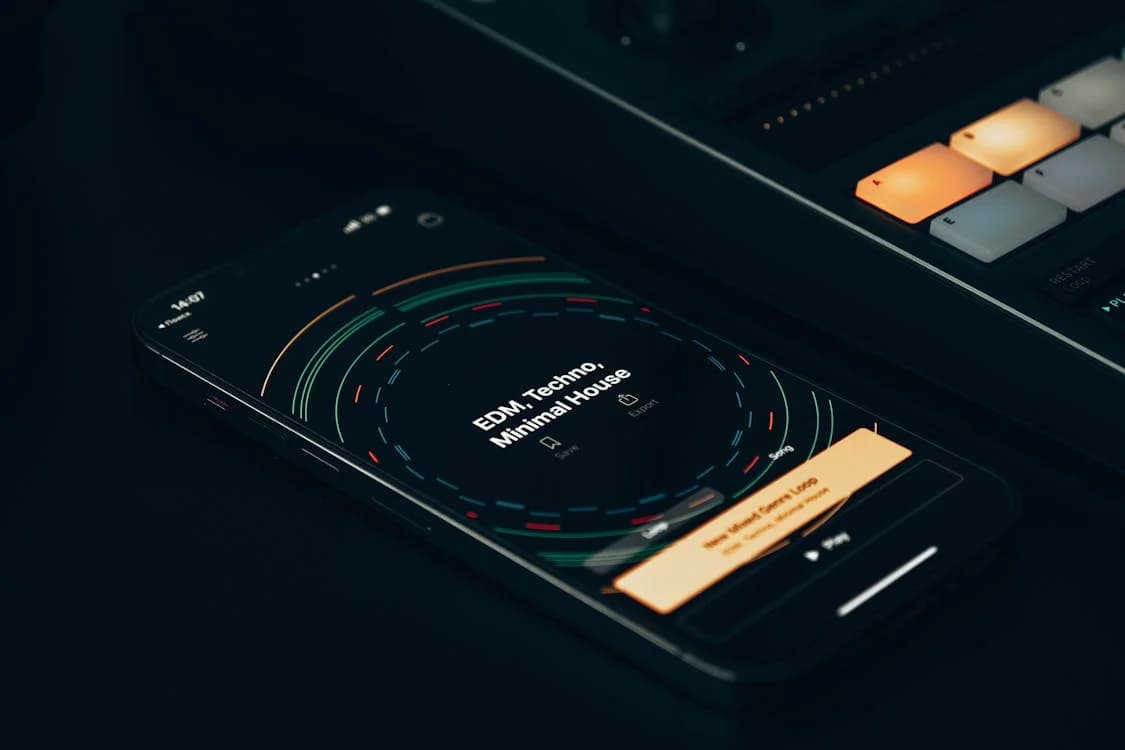
Can you make money with AI music? Yes, but the legal and platform rules matter more than most people realize. Here is what actually works, what gets accounts banned, and how to earn from AI music without losing your royalties.
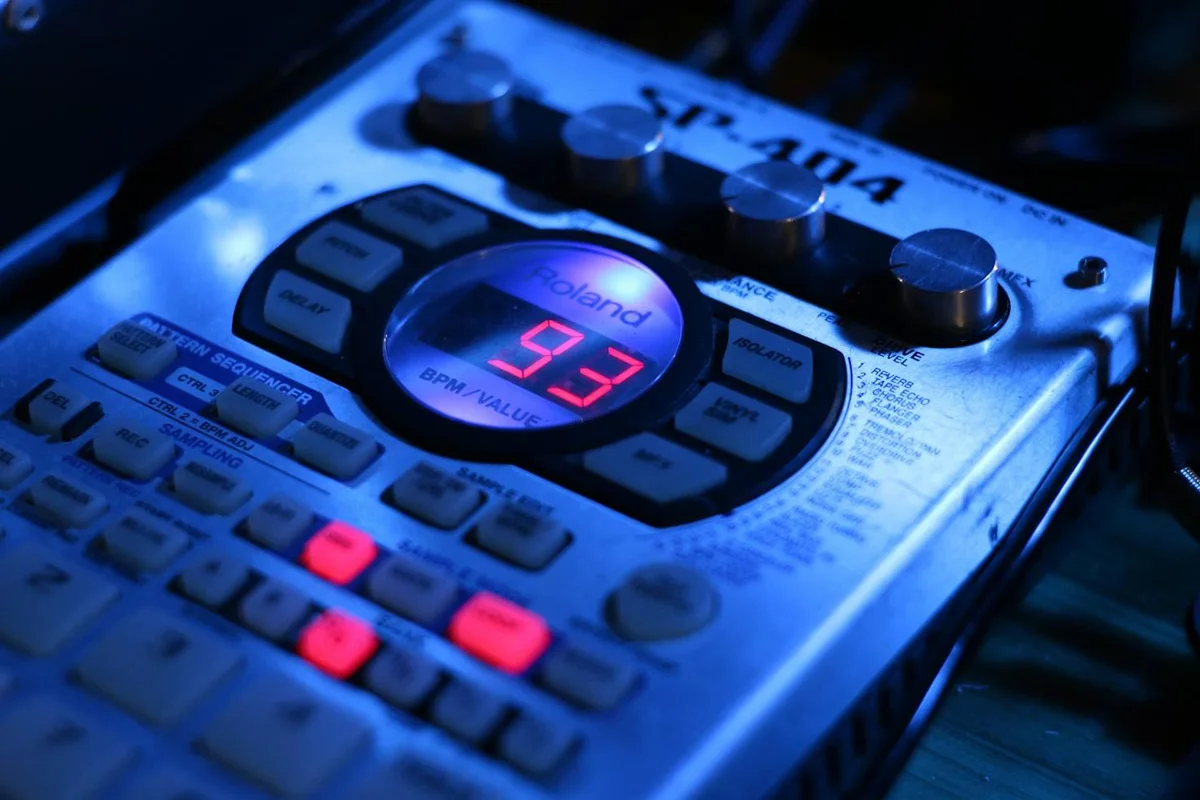
How to clear samples. Avoid legal strikes and royalty loss by mastering the step-by-step process of securing sample permissions.
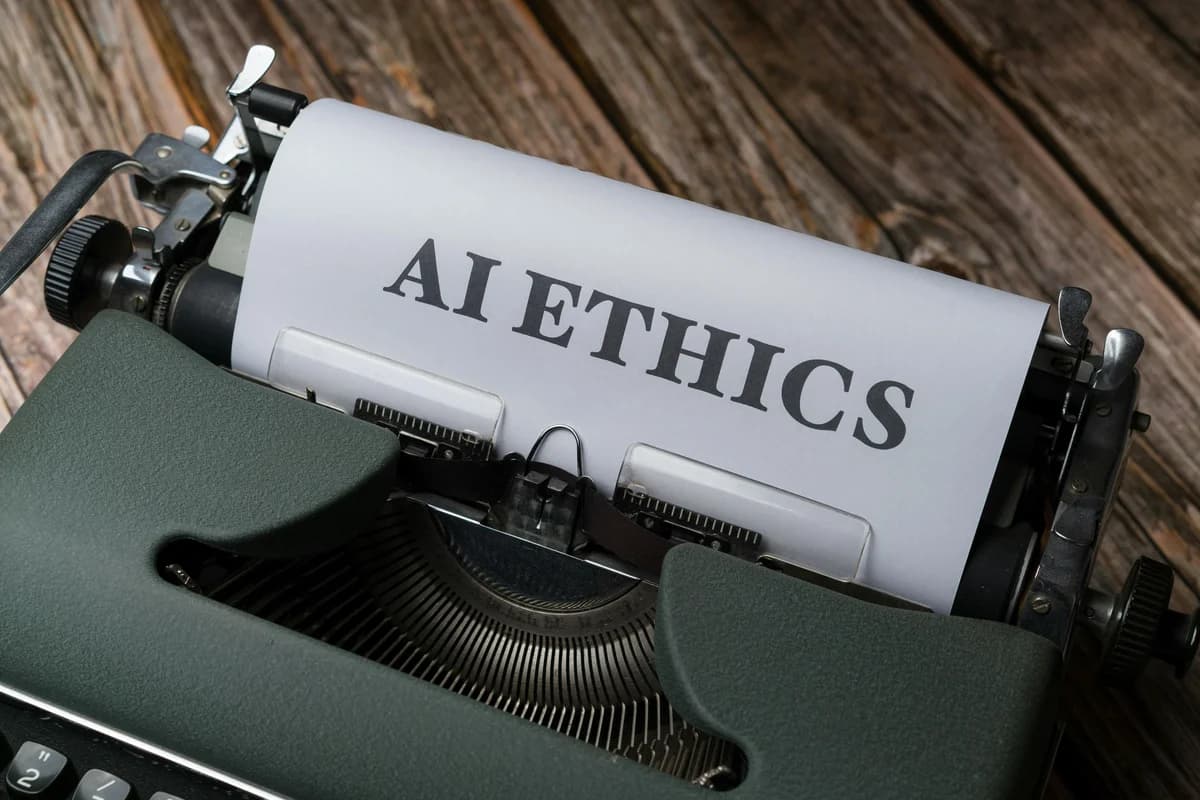
How to use AI in music ethically. Lead with transparency and ensure human creativity remains at the heart of your sound.
AI will replace some musicians. It already has. Here is an honest breakdown of which roles are at risk, which are not, what the legal situation actually looks like, and how working musicians are adapting right now.
Understanding music copyright is essential for every artist. This guide covers what copyright protects, how registration works, fair use, sampling rules, and how to enforce your rights.
YouTube processed 2.2 billion copyright claims in 2024. Independent artists can benefit from that system rather than fight it. Here is how to license your music to YouTube creators and earn from every use.
COPAG is Azerbaijan's government copyright agency, responsible for state policy, regulation, and protection of copyright and related rights including music, folklore, and intellectual property across the Republic of Azerbaijan.
COTT is the first collective management organisation established in the Caribbean, representing approximately 3,000 local songwriters, composers, lyricists, and music publishers in Trinidad and Tobago. It administers performing and reproduction rights under the Copyright Act 1997 and distributes royalties through reciprocal agreements with societies worldwide.
KOMCA (Korea Music Copyright Association) is South Korea's largest music copyright collective management organization, founded in 1964 and based in Seoul. In 2025, KOMCA collected 445.3 billion KRW (approximately 327 million USD) and distributed 403.1 billion KRW in royalties. With over 60,000 members and 8.4 million works under management. Trust contract fee 200,000 KRW. 8.79% average management fee (lowest in OECD).


