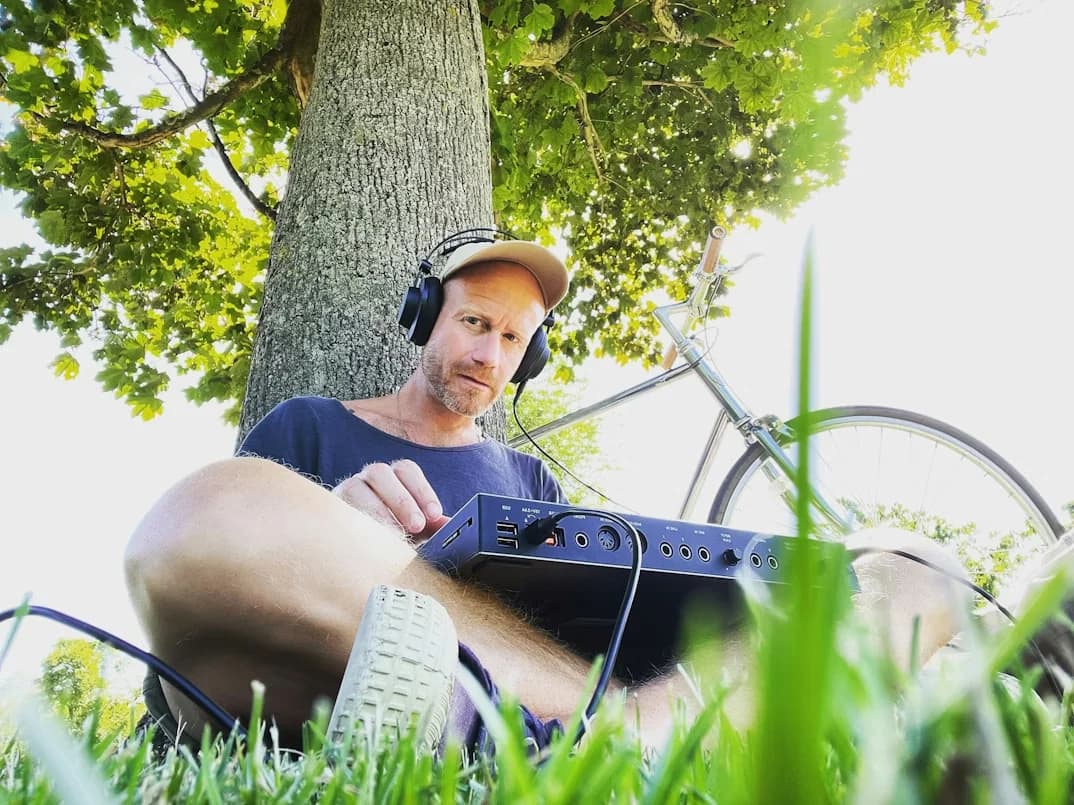
Plug Research producer KV Mehta released a drum kit in 2019 built from sounds he had accumulated across three years of production work: custom 808s, processed hi-hats, layered snares. He made $4,200 in the first month. The sounds were sitting in a folder he had never bothered to organize.
That pattern repeats constantly in the producer community. Years of custom sounds, processed one-shots, and signature drum patterns sit dormant in project folders while their creators stream music for fractions of a cent per play. The sample pack market is a direct monetization path for production assets you have probably already built without realizing it.
The market generated an estimated $130 million in 2023 and continues to grow as the global community of bedroom producers expands. This guide covers every step: what sells, how to create pack-ready sounds, how distribution platforms actually pay, how to market packs without a massive following, and realistic income projections based on catalog size.
What You'll Learn
- Which categories and sub-genres consistently sell versus oversaturated territory
- Production and quality standards required for commercial platforms
- The full platform comparison: Splice, Loopmasters, direct sales, and niche marketplaces
- A realistic income table by catalog size
- Marketing strategies that convert without a large social following
- Legal clearance requirements that most new pack creators skip
- FAQ on exclusivity, pricing, and building a catalog that compounds
What Actually Sells (And What Does Not)
The sample pack market rewards specificity. "Hip-hop sample pack" on any platform returns thousands of results. "Dark rage trap 808s with multi-layer exports" returns dozens. Specific packs with a defined sonic identity outperform generic collections at every catalog size.
High-demand categories:
- Drum kits: The most consistently purchased category. Hi-hats, 808s, layered snares, and one-shots drive the highest download volume on subscription platforms like Splice. Sub-genre specificity is critical: UK drill 808s sell to a different buyer than Memphis phonk 808s.
- Melody loops: Chord progressions, melodic hooks, and topline loops in specific sub-genre aesthetics. Key and BPM-labeled files convert at higher rates because they integrate into projects faster.
- Vocal samples and chops: High value, limited supply. Clean, royalty-free vocal chops and processed vocal one-shots are difficult for most producers to create independently, which creates consistent purchase intent.
- Synthesizer presets: Genre-specific presets for popular synths (Serum, Vital, Massive X) sell to producers who want a specific sound without the sound design time.
- Construction kits: Full multi-track kits that producers can pull apart and rebuild. Higher price points ($30 to $80 per kit) and slower but more reliable sales.
- MIDI packs: Lower production cost, high versatility. Chord packs, melody packs, and genre-specific progressions in MIDI format work across any DAW and any synth.
What is oversaturated: Generic "lo-fi" loops, generic "chill" ambient packs, and broad genre labels without a specific sonic identity. These categories require significantly more catalog size to generate meaningful income due to the volume of competition.
Production Standards for Commercial Packs
Platform quality reviewers and buyers both have clear expectations. Meeting these standards is the difference between acceptance on premium platforms and rejection.
Technical Specifications
- Bit depth and sample rate: 24-bit, 44.1kHz minimum. Some platforms accept 48kHz; none accept lower than 44.1kHz for commercial release.
- Trimming: Every file must be cleanly trimmed with no leading or trailing silence. A one-shot with 200ms of silence at the start will be rejected by quality reviewers and frustrating for buyers.
- Level normalization: Loops should peak at -0.3dBFS. One-shots should peak at -3 to -6dBFS to give producers headroom for layering.
- File naming: Include BPM and key in every filename. "KVM_808_Dark_100BPM_Gm.wav" tells a producer everything they need before opening the file. Generic names like "808_01.wav" are a quality red flag.
Pack Structure
Starter packs (50 to 150 samples): Appropriate for testing a specific sound identity or sub-genre. Price point: $5 to $15. Good for building early reviews and email list signups via free giveaway.
Standard packs (200 to 500 samples): The most common commercial format. Typically includes organized sub-folders by category (drums, melodies, FX, one-shots). Price point: $20 to $40.
Signature packs (500+ samples with MIDI and construction kits): Associated with a specific producer's brand or sound. Typically includes construction kits, full MIDI files, and sometimes video tutorials. Price point: $40 to $80+.
Legal Clearance: The Step Most New Pack Creators Skip
Every sound in a commercial sample pack must be either 100% original or cleared for commercial resale. This means:
- No samples from commercial recordings, even processed beyond recognition
- No interpolations of existing melodies or chord progressions that are too close to a copyright
- No sounds from sample packs that prohibit resale (most standard sample packs include a "no resale" clause even if they permit personal use in commercial music)
- No plugin presets that are simply factory presets renamed (creating sounds from scratch in a synth is fine; bundling unmodified factory presets is not)
Platforms verify clearance before acceptance. A pack accepted with a clearance issue that surfaces after licensing creates legal liability both for you and potentially for buyers who used the sounds. When in doubt, synthesize or record original audio from scratch.
Platform Comparison: Where to Distribute
| Platform | Model | Artist Rate | Volume Potential | Barrier to Entry |
|---|---|---|---|---|
| Splice | Subscription, per-download | $0.01 to $0.04/download | Very high | Application + review |
| Loopmasters | One-time purchase | 50 to 60% per sale | High | Application + review |
| Plugin Boutique | One-time purchase | 50 to 60% per sale | Medium-high | Application + review |
| Beatstars | One-time purchase | 70 to 80% per sale | Medium (hip-hop focus) | Open (account setup) |
| Gumroad / Sellfy | Direct sale | 95%+ (minus fees) | Low (requires own traffic) | Open |
| AudioJungle | One-time purchase | 30 to 45% per sale | Medium | Open |
Splice
Splice has over 6 million subscribers who pay monthly for access to sounds. Creators earn per individual sample download, not per pack sale. A drum kit with 100 sounds can generate 10,000+ individual downloads if the sounds get traction, each at $0.01 to $0.04. A well-performing pack can generate $200 to $2,000 per month. Splice requires an exclusivity period (typically 90 days) before you can list the same pack elsewhere.
The application process is competitive. Splice reviews audio quality, metadata quality, and whether the sounds fill a gap in their catalog. First submission acceptance rates are not published but producers report significant rejection rates for packs that do not meet their quality bar.
Loopmasters and Plugin Boutique
Loopmasters is the established premium one-purchase market. Buyers pay once to own the pack. The platform has strong SEO and organic traffic from producers specifically searching for sounds. Royalty rates of 50 to 60% are competitive. The catalog is deeply organized by genre and sub-genre, which means well-tagged packs in specific categories get discovered organically.
Plugin Boutique (Loopmasters' parent company's broader marketplace) covers presets, plugins, and sounds. Worth listing on both if you get accepted on Loopmasters.
Direct Sales (Gumroad, Sellfy, Your Website)
The highest-margin option. After platform fees (Gumroad: 10% on the free plan, 0% + $10/month on paid), you keep essentially everything. The trade-off is that you supply all the traffic. A producer with 50,000 TikTok followers who consistently posts production content can generate $1,000 to $5,000/month from direct pack sales. A producer with no existing audience selling exclusively on their own site will earn nearly nothing without a traffic source.
The optimal use of direct sales is as a complement to platform listings: drive fans from social media to your site for premium bundles or exclusive packs, while platform listings capture organic search traffic.
Realistic Income Projections
| Catalog Size | Monthly Estimate | Notes |
|---|---|---|
| 1 to 3 packs | $20 to $150 | Building initial catalog, limited traction |
| 5 to 10 packs | $150 to $600 | With platform acceptance on Splice or Loopmasters |
| 15 to 25 packs | $500 to $2,000 | With consistent quality and specific niching |
| 30+ packs | $1,500 to $8,000+ | Established catalog, strong sub-genre identity |
Income compounds. Each new pack adds to a base that continues generating downloads from the existing catalog. Producers who release consistently across 2 to 3 years and maintain quality typically see month-over-month income growth even without viral moments.
Marketing That Actually Converts
The single most effective marketing format for sample packs is process video: showing the sounds in use, not just in a preview reel.
Beat-Making Videos Using Your Pack
"I made this beat using only [Pack Name]" videos on TikTok and YouTube Shorts consistently outperform static posts. They demonstrate the sounds in a real production context, which is exactly what buyers need to evaluate whether the sounds fit their workflow. Producers with 3,000 to 5,000 TikTok followers who post this format regularly report pack sales that exceed what producers with 50,000 generic followers earn from promotional posts.
Free Sample Giveaways for Email Building
Offering 15 to 30 free samples in exchange for an email signup builds a list of people who have directly demonstrated interest in your sounds. This list is your highest-converting marketing channel. A list of 2,000 producers who downloaded your free sounds converts to paid pack sales at 3 to 8% on a new release, compared to 0.1 to 0.5% on cold social media promotion.
Tools like ConvertKit (free up to 1,000 subscribers) or Mailchimp let you automate the delivery and sequence follow-up emails for new pack releases.
Producer Community Engagement
Beat-making communities on Reddit (r/WeAreTheMusicMakers, r/trapproduction, r/makinghiphop), Discord servers organized around specific sub-genres, and Facebook groups for producers in your niche are where your buyers actually spend time. Being a genuine, contributing member of these communities before promoting your packs builds credibility that converts to sales. Dropping a promotional link in a community you have never engaged with is almost universally ignored.
Strategic Collaborations
Co-releasing packs with other producers who have complementary audiences is one of the fastest ways to reach new buyers. A joint pack split between two producers with different but overlapping audiences (trap and lo-fi, for example) reaches both lists with a single release and typically generates more total sales than either producer would achieve independently.
Frequently Asked Questions
Q: How much can I realistically earn from sample packs in the first year?
A: If you release 3 to 5 quality packs in a specific niche, get accepted on at least one major platform, and do consistent content marketing, $200 to $600/month by end of year one is achievable. Most producers who are brand new to sample pack sales earn less than $100/month in the first 3 to 6 months. The income trajectory is a 12 to 24 month build, not an overnight result.
Q: Do I need to be a well-known producer to sell sample packs?
A: No. Many of the most commercially successful sample pack creators are producers with modest artist profiles but distinctive sounds. What matters is the quality and specificity of the sounds, not name recognition. That said, a social media presence that demonstrates your production style gives potential buyers context they use to evaluate trust before purchasing.
Q: Can I sell the same pack on Splice, Loopmasters, and my own website?
A: Splice requires a 90-day exclusivity window after acceptance before you can list the same pack elsewhere. Loopmasters allows non-exclusive arrangements. After any exclusivity periods expire, distributing across multiple platforms maximizes reach. Check each platform's creator agreement carefully before signing.
Q: What DAW do I need to make commercial sample packs?
A: Any DAW that exports 24-bit WAV files. Ableton, FL Studio, Logic Pro, and Studio One are all widely used for pack creation. The limiting factor is not the DAW but the monitoring environment (good speakers or calibrated headphones to evaluate frequency balance) and the quality of the sounds you are creating.
Q: What is the best first pack to release?
A: Your most distinctive, highest-quality sounds in the sub-genre you know best. Trying to release broadly across multiple genres for your first pack creates a product without a clear identity. A 200-sample UK drill drum kit from a producer who genuinely makes UK drill is more compelling to buyers than a 500-sample "all genres" pack from the same producer.
Start With What You Already Have
The lowest-friction entry into sample pack sales is auditing your existing project files. Most producers who have been making music for two or more years have custom drum kits, processed one-shots, and distinctive loop elements scattered across hundreds of project folders. That material, curated, organized, and cleaned up, is your first pack.
The creation work is often less than producers expect. The curation, quality checking, metadata labeling, and export organization take more time than the sound design. A realistic timeline for a first quality pack from existing material is two to four full weekends.
Next Steps:


