In-Depth Explanation
Indie (short for independent) refers to an artist or record label that operates without the funding, distribution network, or ownership of the Big Three major music corporations: Universal Music Group, Sony Music Entertainment, and Warner Music Group. An independent artist funds their own recordings, controls their own master recording rights, and uses a digital distributor to reach streaming platforms.
How the Indie Model Works
The indie music economy has three layers: DIY artists who self-release through distributors, independent record labels that operate outside the major label system, and major-owned distribution companies that serve indie artists.
DIY Artists
A true DIY artist wears every hat: songwriter, producer, booking agent, marketing director, and label. They fund their own recordings, run their own ad campaigns, and pitch their own music to playlists. The trade-off is simple: they keep 100% of their master recording rights and 100% of their royalties, but they bear 100% of the costs and risk.
In 2025, independent and DIY artists accounted for 96.2% of all daily uploads to streaming platforms (approximately 106,000 new tracks per day), according to Luminate's annual report. However, 88% of all tracks on streaming platforms received fewer than 1,000 streams.
Spotify's 2026 Loud & Clear report confirmed that independent artists and labels generated roughly half of all royalties on the platform, accounting for a significant portion of the $11 billion Spotify paid out in 2025. More than 13,800 artists generated at least $100,000 from Spotify alone, and over 90% of DIY royalties went to artists who had been releasing music for more than a year.
Independent Record Labels
Thousands of profitable independent labels operate outside the major label system. Labels like XL Recordings, Beggars Group, Sub Pop, and Secretly Canadian function similarly to majors: they pay for recording costs, offer advances, and handle marketing. The differences are in deal structure and scale.
Indie labels typically offer more artist-friendly contracts. Instead of taking permanent ownership of master recordings, they often negotiate 50/50 profit splits or licensing deals where master rights revert to the artist after a set term. They also tend to specialize in specific niches rather than chasing mainstream pop appeal.
Major-Owned Indie Distribution
The line between indie and major has blurred. Each major label owns or operates an "independent" distribution arm: Sony owns The Orchard, Universal owns Virgin Music Group, and Warner owns ADA. An artist who signs with The Orchard technically remains independent (they own their masters and are not signed to a flagship Sony label like Columbia), but their music plugs directly into Sony's global corporate infrastructure.
Independents now hold 38% of total global recorded music share in 2025, according to MIDiA Research, up from roughly 28% a decade ago. The independent artists market is projected to grow from $160.6 billion in 2025 to $233.3 billion by 2031.
Real-World Example
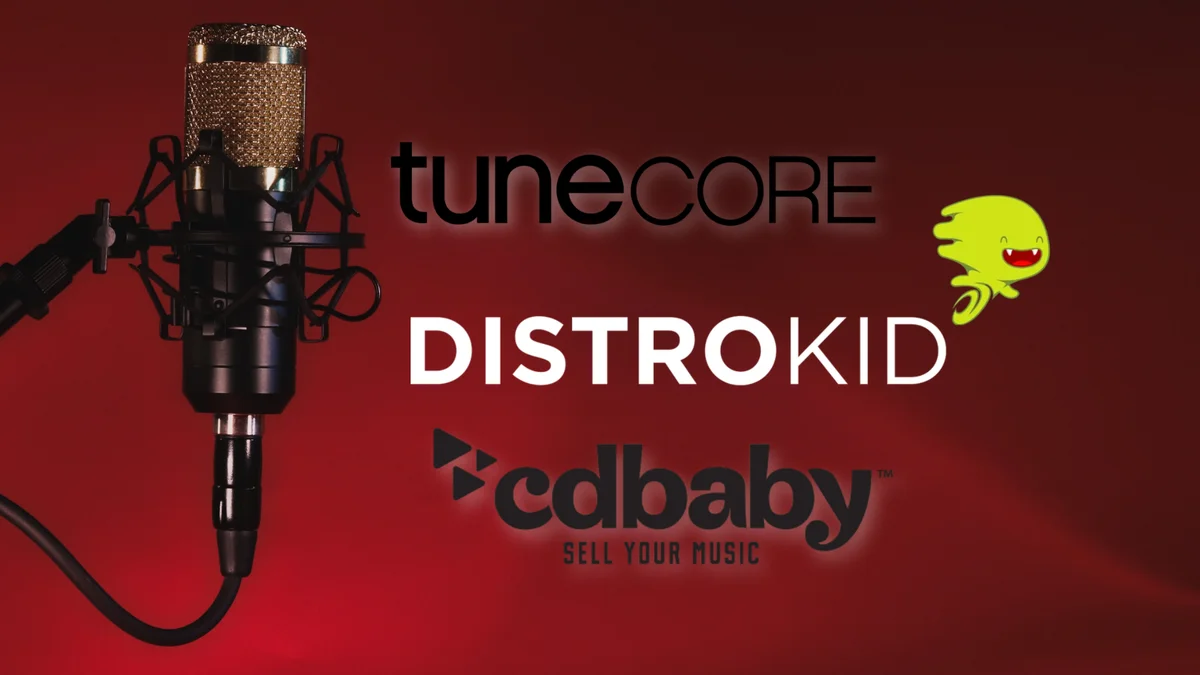
An independent artist produces a single in their home studio for $500 in production costs. They pay DistroKid $22.99 per year for distribution to Spotify, Apple Music, and 150+ other platforms. The track generates 500,000 streams in its first year.
- Spotify per-stream payout: approximately $0.003 to $0.005
- Estimated revenue from 500,000 streams: $1,500 to $2,500
- DistroKid takes 0% of royalties (flat fee model)
- Artist keeps: 100% of $1,500 to $2,500
If the same artist had signed a traditional major label deal with a standard 80/20 split (label keeps 80%), the label would keep $1,200 to $2,000 of that revenue, and the artist would receive $300 to $500. The artist would also not own their master recording.
The DIY route generates 3x to 5x more per-stream income for the artist, but requires the artist to fund all marketing, playlist pitching, and promotion themselves.
Why It Matters for Independent Artists
Being indie in 2026 means you own your masters, control your release schedule, and keep your royalties. It also means you bear all the costs and responsibility for marketing, distribution strategy, and rights management.
The data is clear: independence is no longer a fringe path. Roughly half of Spotify royalties now go to independent artists and labels. The "label as a launchpad" model has been replaced by the "label as an accelerator" model, where artists build their own momentum first and only partner with a label if it makes financial sense.
Before signing any label deal, calculate exactly how much revenue you would surrender over the contract term. If you already have a profitable streaming and merch operation, a traditional deal may cost more than it returns. Read our analysis on whether we need record labels in 2026, compare top music distributors for indie artists, and see our music distribution services comparison to choose the right path.