In-Depth Explanation
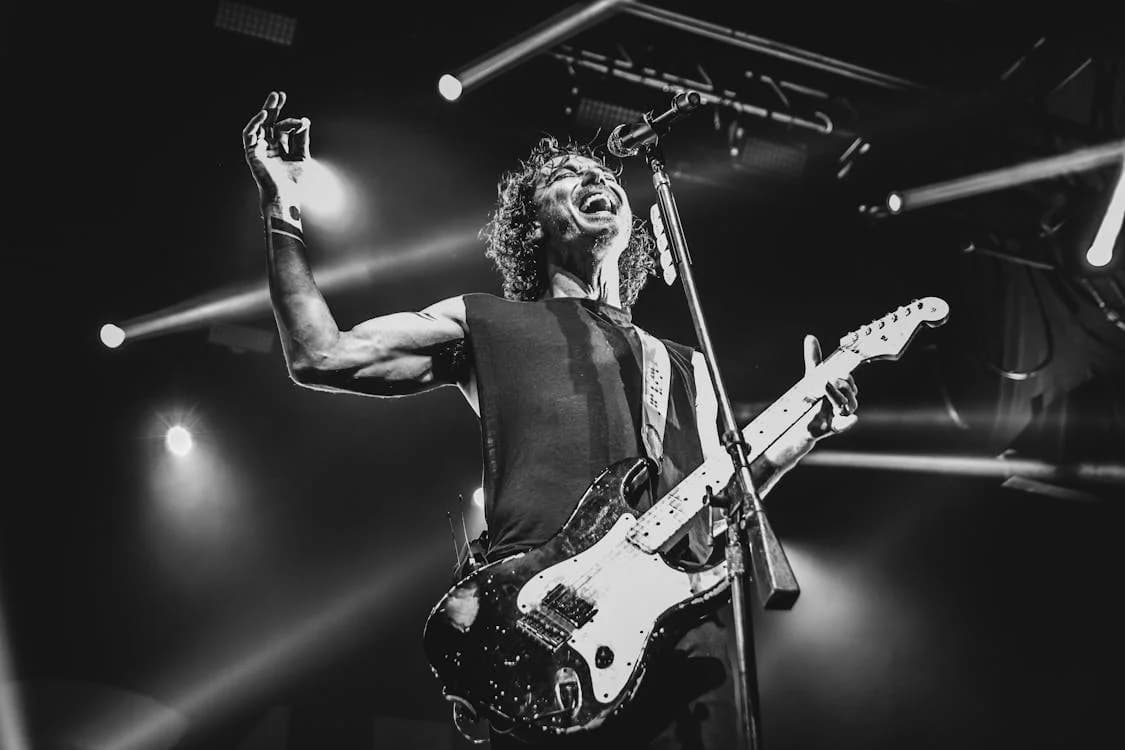
A set list is the predetermined order of songs that an artist plans to perform during a live concert. It is usually printed on paper and taped to the stage floor near the monitors, or displayed digitally on a teleprompter. Creating an effective set list dictates the pacing, emotional arc, and energy of the entire show.
How a Set List Works
A professional touring band does not play songs in random order. They structure the set list strategically to manage crowd energy over a 60 to 120 minute performance. A typical headlining set follows a specific psychological curve.
1. The Opener (High Energy)
The first song must grab the audience immediately. It is usually a high-energy, recognizable track (but rarely the biggest hit) designed to set the tone and get the crowd moving from the first downbeat.
2. The Build (Momentum)
The next two or three songs maintain high energy, played back-to-back with minimal talking or pausing to establish momentum.
3. The Valley (Intimacy)
About one-third to halfway through the show, the energy drops. If a band plays high-energy rock for 90 minutes straight, the audience suffers from auditory fatigue. The middle section is reserved for ballads, acoustic versions, or emotionally heavy songs. This provides a breather and creates intimacy between the artist and the crowd.
4. The Climb (Re-engaging)
After the valley, tempo and energy gradually increase. This is where fan-favorite album cuts or new singles are placed.
5. The Finale (The Hits)
The main set concludes with the artist's biggest, most recognizable hits. The goal is to leave the audience at peak excitement before the band leaves the stage.
6. The Encore
A theatrical tradition where the band returns for one to three final songs. The biggest hit of the artist's career is almost always saved for the final song of the encore.
Adapting Nightly
Professional artists adapt their set list nightly based on several factors:
- Venue and crowd: A seated theater set leans heavily on acoustic ballads. An outdoor summer festival set cuts the ballads and focuses on high-energy anthems to keep a massive, distracted crowd engaged.
- Curfew: Venues have strict noise curfews. If a band goes on late, they must cut songs on the fly to avoid financial fines.
- Slot length: An opening act playing 30 minutes must play a relentless "all killer, no filler" set to win over a crowd that does not know them. A headliner playing two hours has the luxury of deep cuts for superfans.
Major tours in 2026 demonstrate how set lists evolve nightly. Harry Styles varied his surprise songs across his 12-night Wembley Stadium residency, alternating between "Matilda," "Love of My Life," and deeper cuts like "Little Freak" and "Cherry." Tame Impala swapped several songs between their two Miami shows on the Deadbeat Tour, moving "Dracula" from the encore to early in the set on night two.
Real-World Example
You are booked for a 45-minute opening slot at a 500-capacity venue. The headliner goes on at 10 PM. You go on at 8:45 PM. The crowd is still filing in, and most people do not know your music.
Your set list for this slot should be 8 songs, front-loaded with your most energetic tracks. Skip the ballads entirely. You have 45 minutes to win over a room of strangers, and a slow song in the middle will send them to the bar.
Song 1: Up-tempo single (3:30) Song 2: High-energy track (3:15) Song 3: Groove-based track (4:00) Song 4: Your most streamed song (3:45) Song 5: Up-tempo track (3:20) Song 6: Guest feature or cover (3:30) Song 7: Second most popular track (3:30) Song 8: Closer, biggest energy (4:00)
Total runtime: approximately 29 minutes of music, leaving 16 minutes for transitions, tuning, and crowd interaction. This keeps the pace tight and prevents dead air.
Compare this to a 90-minute headline set at the same venue. You have time for 18 to 20 songs, including a 3-song valley section in the middle for ballads, a B-stage acoustic segment, and a 2-song encore. The pacing is completely different because the crowd is there to see you.
Why It Matters for Independent Artists
Your set list is your product. A poorly paced set can kill a room even if the songs are good. A well-paced set can turn a room of strangers into fans.
Time your set list in rehearsal. Know the exact runtime of every song including intros, outros, and transitions. Build in flexibility for 3 to 5 minutes of crowd interaction. Always have a backup plan for curfew cuts. If the venue gives you a 30-minute slot instead of 45, know which songs to drop without destroying the arc.
A professional set list includes more than song titles. Note transitions (where songs bleed into each other versus where you stop to talk), instrument changes (which songs require switching guitars), and any lighting or backing track cues. Give a copy to your front-of-house engineer so they can prepare the mix.
Read our guide on How to Book Your First Tour for routing strategies, and Touring Internationally as an Independent Artist for adapting your set to international crowds. Browse our venues directory to find rooms that match your draw size.