
How to Fund Your Independent Record Label (2026)
You do not need investor money to start a label. You need a budget, a release plan, and the discipline to reinvest what you earn. Funding is not about getting money. It is about deploying it well.
You do not need investor money to start a label. You need a budget, a release plan, and the discipline to reinvest what you earn. Funding is not about getting money. It is about deploying it well.

Artists do not sign with labels because of a logo. They sign because the label stands for something they want to be part of. Your brand is not your artwork. It is the world you build around your artists.

Modern A&R is not about discovering unknown talent. It is about identifying artists with momentum before every other label notices them. The competitive edge is in the pipeline, not the signing.

A distribution deal is not just about getting your music onto Spotify. It is about who controls your catalog, for how long, and what happens when you want to leave. Read the fine print before you sign.

A label markets three things at once: the artist, the catalog, and the label itself. Most indie labels only do the first one and wonder why their releases do not build momentum. Here is how to build a marketing system that compounds.

A label is not a collection of random signings. It is a portfolio. Some artists will recoup, some will not, and one will carry the rest. Here is how to build a roster where the wins cover the losses and the catalog grows over time.
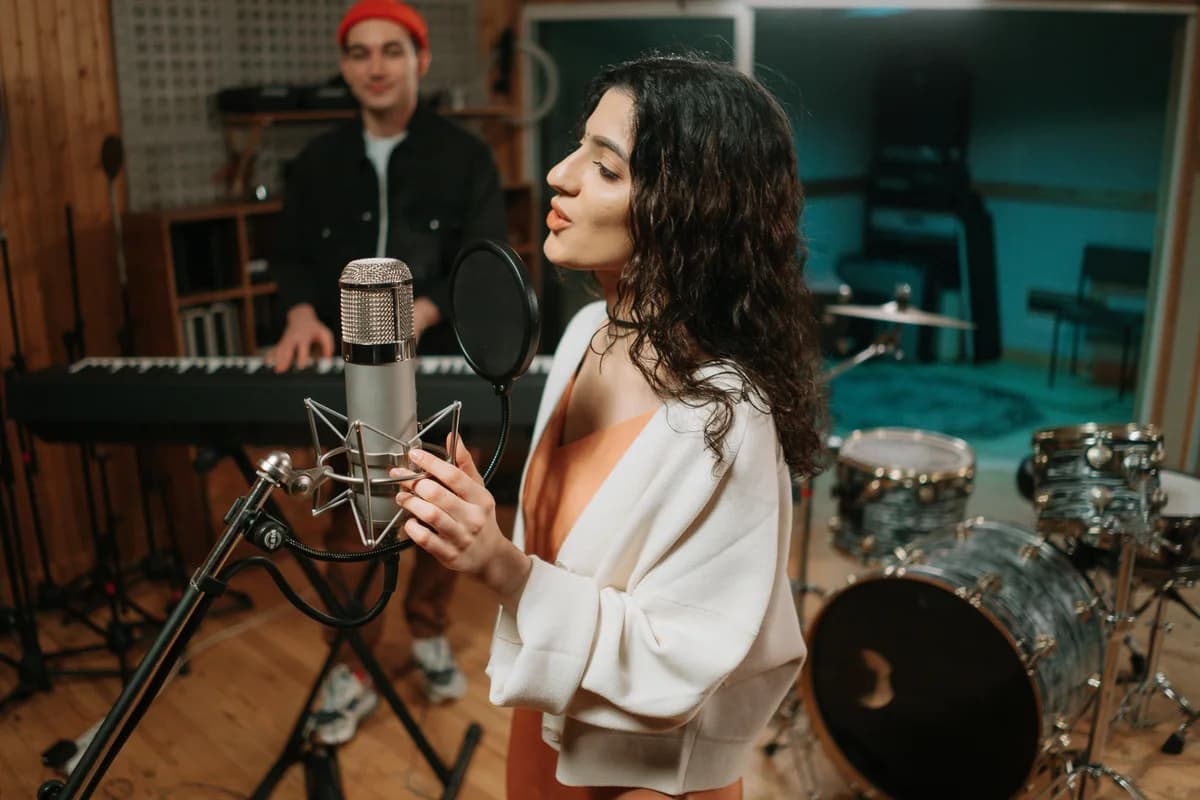
Learn to build a modern record label in 2026 focusing on music rights, digital distribution, and sustainable artist-friendly growth.
An artist's default answer to 'sign with us' is no. They already have distribution, they keep their masters, and they can release this Friday without you. Here is how to build a label worth saying yes to.
Every song has two copyrights. A record label controls one. A music publisher controls the other. If you do not know which one your deal covers, you are either leaving money uncollected or giving up rights you do not know how to manage.
If you cannot tell an artist exactly where their money is, how much you have spent on their project, and what they owe you, you are not running a label. You are running a liability. Here is how to build the accounting system that keeps your label out of trouble.
Downtown Artist & Label Services is a US-based full-service music distribution and marketing company, part of Downtown Music Holdings. Now part of Virgin Music Group alongside FUGA, CD Baby, Ingrooves, and Songtrust after Universal Music Group acquired Downtown Music Holdings for $775M in February 2026. Offers distribution, bespoke marketing solutions, project management, and funding for entrepreneurial artists, labels, and their partners. Artists retain ownership of masters and full creative control. Provides white-glove distribution, DSP promotion, account management, hands-on A&R support, enhanced analytics, split pay, and complete audio and video asset management. Preferred partner status at all key DSPs. Not open-signup. Curated roster with application required. No public pricing. Downtown Music Holdings serves 1.7 million clients in 145+ countries with 23 million music assets in catalog. Best for established artists and labels seeking white-glove service with global reach.
Label Engine is a B2B music distribution and label services platform based in Vancouver, Canada, founded in 2010. Built for record labels and distributors rather than individual artists. Distributes to 100+ stores including Spotify, Apple Music, Beatport, Traxsource, TikTok, and YouTube. Offers royalty accounting, promotion, and demo management tools. First release free, then subscription-based label services starting at $49/month or $499/year. Strong focus on electronic music platforms. Best for small to mid-size record labels managing multiple artists and releases.
Nettwerk Music Group is a Vancouver-based independent music company founded in 1984 that operates a record label, publishing division, artist management, and a dedicated sync licensing department called Nettwerk One. The company represents artists like Sarah McLachlan, Passenger, Paris Paloma, and SYML for sync placements across film, television, trailers, advertising, and video games. In 2026, Create Music Group invested over $300 million to support a management buyout led by CEO Terry McBride.


