In-Depth Explanation
To "exploit" a copyright means to actively use, promote, market, and license a piece of music to generate commercial revenue. In music business terminology, exploitation is a positive and necessary function. When you sign a publishing or label deal, you grant the company the right (and the obligation) to exploit your copyrights on your behalf.
How Exploitation Works
A proactive publisher or label exploits a song through multiple revenue channels simultaneously:
-
Mechanical exploitation: Getting the song recorded and distributed. A publisher pitches an unreleased demo to a recording artist to record and release, generating Mechanical Royalties. In 2025, U.S. mechanical royalties from streaming were estimated at approximately $1.4 billion, though Spotify's bundling practice reduced mechanical per-stream rates by about 51% since 2023.
-
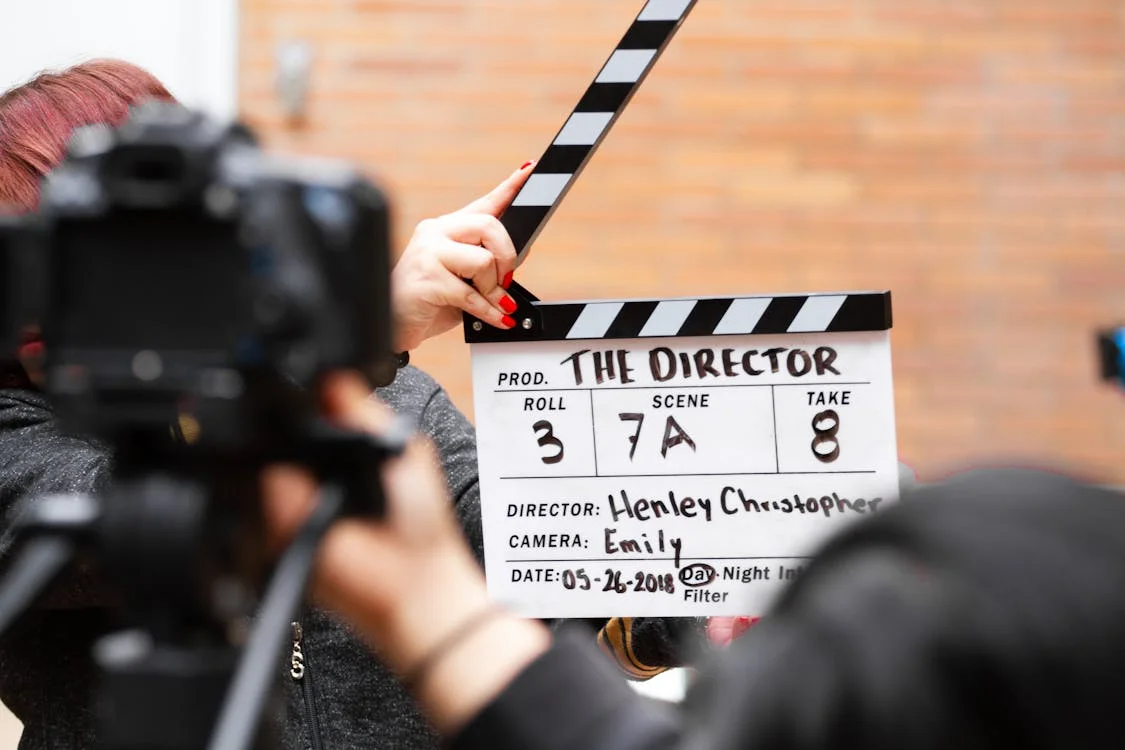
Synchronization (sync) exploitation: Pitching the song to Music Supervisors for placement in films, TV shows, video games, and commercials. Sync fees range from $500 for indie films to $50,000+ for major ad campaigns. U.S. sync revenue accounted for 24% of total publishing revenue in 2025 according to the NMPA.
-
Performance exploitation: Promoting the song to radio and getting it placed on Editorial Playlists on Spotify and Apple Music. Performance royalties made up 52% of U.S. publishing revenue in 2025, totaling approximately $3.8 billion.
-
Print exploitation: Licensing the composition to companies like Hal Leonard to produce and sell sheet music, guitar tabs, and lyric books.
-
Derivative exploitation: Finding opportunities for the song to be sampled, remixed, or translated into another language for international markets.
-
AI licensing: A growing channel in 2026. The NMPA announced the first industry-wide licensing deal with AI music company Udio in June 2025, establishing a new exploitation stream for publishers and songwriters.
Real-World Example
A songwriter signs an administration deal with a mid-sized publisher. The publisher pitches one of the songwriter's unreleased tracks to three simultaneous opportunities:
| Channel | Deal | Upfront Fee | Backend Royalties |
|---|---|---|---|
| Sync placement | National TV commercial | $15,000 | $500/year (performance) |
| Artist cut | Pop artist album cut | $0 | $0.0035/stream mechanical |
| Sample clearance | Hip-hop producer sample | $3,000 | 2% of publishing |
The sync placement generates $15,000 upfront plus ongoing performance royalties. The artist cut generates mechanical royalties of approximately $3,500 per million streams. The sample clearance generates $3,000 upfront plus a 2% publishing share on the new track's revenue. Total first-year revenue from active exploitation of a single song: $21,500 plus ongoing per-stream royalties.
Without a publisher actively exploiting the catalog, the songwriter would have earned $0 from these channels. The song would sit on a hard drive, legally protected but commercially worthless.
Why It Matters for Independent Artists
A copyright sitting idle on a hard drive is legally protected but commercially worthless. Many independent artists write, record, and distribute their own music to streaming platforms. But a single artist rarely has the industry contacts, legal expertise, or staff to secure a $15,000 sync placement or negotiate a sample clearance with a major label.
This is why artists give up a percentage of ownership (or sign administration deals) with publishers. They are paying for the company's infrastructure to exploit the catalog globally. U.S. music publishing revenues hit $7.3 billion in 2025, up 3.7% year-on-year, and publishing has outpaced recorded music growth for four consecutive years.
When negotiating a publishing deal, ask: "What is your specific plan to exploit these songs?" If the publisher only plans to collect money that naturally comes in (passive administration) rather than actively pitching the songs, they do not deserve a large percentage of your copyright. Use our Sync Licensing Fee Calculator to estimate what your music is worth in a placement deal, and read our guide to getting your first sync license to start exploiting your own catalog.