In-Depth Explanation
Mechanical royalties are payments made to songwriters and publishers whenever a musical composition is reproduced in physical or digital form, including CDs, vinyl, permanent downloads, and interactive streams. They are separate from performance royalties and are paid only to the composition owner, not the recording artist.
How Mechanical Royalties Work
Every time a song is copied, a mechanical royalty is generated. The term dates back to piano rolls and phonographs, but the concept now covers three main reproduction types:
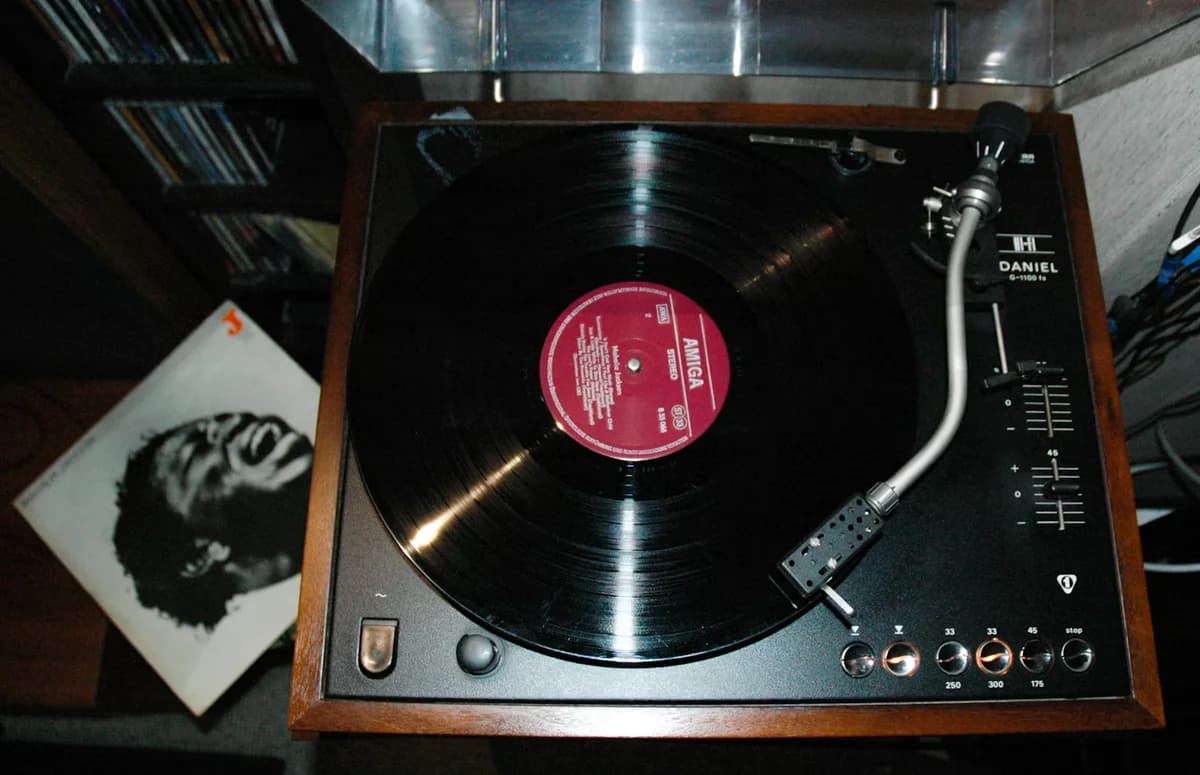
1. Physical Sales (CDs, Vinyl, Cassettes)
When a label manufactures physical records, they must obtain a mechanical license from the publisher. The label pays the statutory rate for every copy manufactured, whether or not it sells.
2. Permanent Digital Downloads
When a consumer buys a track on iTunes or Bandcamp, a permanent digital copy is created. This generates a mechanical royalty at the same statutory rate as physical.
3. Interactive Streaming (Spotify, Apple Music)
This is the largest source of mechanical royalties globally. When a user selects a song on an interactive platform, the service creates a temporary cached copy on their device. Legally, this constitutes a mechanical reproduction, so a portion of the per-stream rate is allocated to mechanical royalties.
Non-interactive streaming (like Pandora radio or terrestrial radio) does not generate mechanical royalties. It only generates performance royalties.
The 2026 Rates
The Copyright Royalty Board sets the statutory mechanical rate for physical and downloads under the Phonorecords IV determination (covering 2023 through 2027):
- 2026: $0.131 (13.1 cents) per song for songs five minutes or shorter
- 2026: 2.52 cents per minute for songs exceeding five minutes
- Up from 12.7 cents in 2025
The rate was frozen at 9.1 cents for 15 years (2006 through 2022). The 2026 rate represents a 44% increase over that frozen rate and is the highest statutory mechanical rate in U.S. history.
For streaming, the rate is not a flat per-play fee. Streaming platforms pay 15.3% of their U.S. revenue into a mechanical royalty pool (up from 15.25% in 2025). This pool is divided proportionally among publishers based on total streams. The rate reaches 15.35% in 2027 under the Phonorecords IV schedule.
Real-World Example
A songwriter releases an original 3-minute song on Spotify. The song gets 100,000 streams in a year. The streaming platform allocates a portion of its revenue to the mechanical royalty pool. The songwriter's share depends on the platform's total revenue and total streams across all songs, not a fixed per-stream rate.
For a physical comparison: if the same songwriter also presses 1,000 CDs containing that one original song, the mechanical royalty owed to themselves (if they own both the composition and the master) would be 1,000 x $0.131 = $131. If they had co-written the song with one other writer at a 50/50 split, each writer's share would be $65.50.
Use our Streaming Royalty Calculator to estimate streaming earnings, or our Publishing Royalty Split Calculator to divide royalties between co-writers.
Why It Matters for Independent Artists
Most independent artists lose mechanical royalties because they assume their distributor or PRO collects everything. This is wrong:
- Your distributor (DistroKid, TuneCore) does not collect mechanical royalties. They only collect master recording royalties.
- Your PRO (ASCAP, BMI, PRS) does not collect mechanical royalties. They only collect performance royalties.
If you write your own songs and release them on Spotify, you are earning mechanical royalties. To collect them, you must register with a mechanical rights society.
In the United States: Register your songs with The Mechanical Licensing Collective (The MLC). The MLC was established by the Music Modernization Act of 2018 to collect and distribute streaming mechanical royalties. Registration is free.
Outside the U.S.: Each country has its own mechanical collection society (MCPS in the UK, GEMA in Germany, SACEM in France).
The easiest way to collect globally is through a publishing administration company like Songtrust or TuneCore Publishing. They register your songs with The MLC and every other mechanical society worldwide, typically for a 15% commission.
Read our complete guide on Mechanical Royalties Explained: How to Collect Them for step-by-step instructions.