In-Depth Explanation
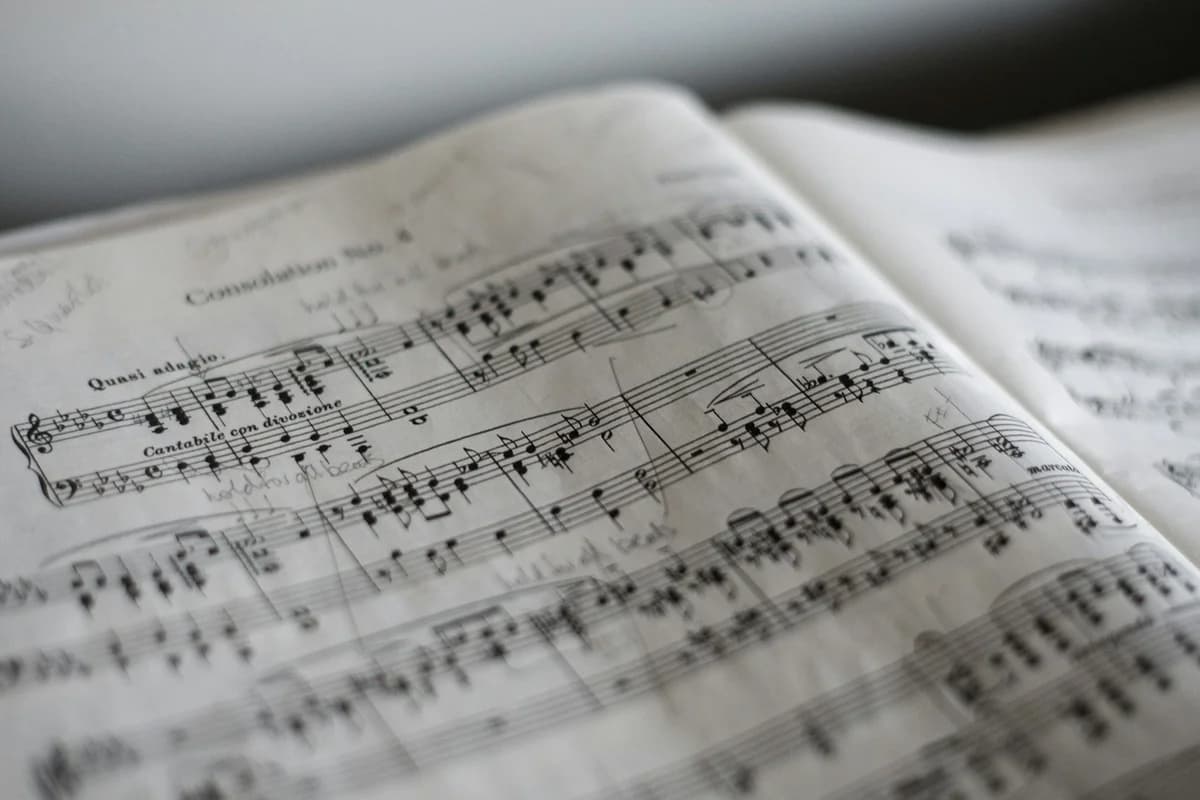
Publishing Rights refer to the copyright ownership of a musical composition (the lyrics, melody, and chord structure), separate from the sound recording copyright. These rights entitle the songwriter and their publisher to collect royalties whenever the composition is streamed, performed publicly, recorded, synced to visual media, or printed as sheet music. Every recorded song contains two distinct copyrights: the composition and the master recording.
How Publishing Rights Work
If you write a song on an acoustic guitar in your bedroom, you instantly own 100% of the publishing rights. If you then record that song in a studio funded by a Record Label, the label likely owns the Master Recording, but you still own the publishing rights to the composition.
Owning publishing rights allows you (or your Publisher) to generate revenue through four streams:
1. Performance Royalties
Generated when the song is performed, broadcast, or played in public. This includes terrestrial radio plays, streams on Spotify, background music in retail stores, and live performances. These are collected by a PRO (like ASCAP or BMI) and split 50/50 between the songwriter (the Writer's Share) and the publisher (the Publisher's Share).
2. Mechanical Royalties
Generated when the song is reproduced. Historically, this meant pressing vinyl or CDs. Today, the vast majority of Mechanical Royalties come from interactive streaming and permanent digital downloads. As of January 2026, the U.S. statutory mechanical rate for physical formats and permanent downloads is 13.1 cents per reproduction (up from 12.7 cents in 2025). For streaming, songwriters and publishers receive 15.3% of a U.S. interactive streaming service's revenue, up from 15.25% in 2025.
3. Synchronization (Sync) Fees
Generated when the composition is licensed for use with visual media (films, TV shows, commercials, video games). The fee is negotiated between the publisher and the Music Supervisor through a Sync License.
4. Print Rights
Generated from the sale of physical sheet music, guitar tabs, or licensed lyric displays.
Real-World Example: Writer's Share vs. Publisher's Share
Revenue from publishing rights is divided into two equal halves:
- The Writer's Share (50%): Paid directly to the people who wrote the lyrics and melody. By law, the PRO must pay this share directly to the writer. A publisher cannot touch it, and it cannot be used to recoup an advance.
- The Publisher's Share (50%): Paid to the entity that administers and exploits the copyright.
If a song generates $10,000 in performance royalties, the PRO pays $5,000 to the writer (Writer's Share) and $5,000 to the publisher (Publisher's Share). In a Co-Publishing Agreement (the modern standard), the writer keeps their $5,000 Writer's Share and splits the $5,000 Publisher's Share evenly with the publishing company. The writer receives $7,500 total. The publisher keeps $2,500.
If you are independent and have not signed a deal, you own 100% of both shares. To collect the Publisher's Share, you need a Publishing Administration service.
Use our Publishing Royalty Split Calculator to model different splits and estimate your earnings.
Why It Matters for Independent Artists
Publishing rights are the most valuable long-term asset in music. Master recordings can be remade or re-recorded, but there is only one composition. Owning your publishing rights means you control how your song is licensed, who can record it, and where the money flows.
A major issue in 2026: Spotify's bundling practices have reduced the effective per-stream mechanical rate by approximately 51% since late 2023, from about $0.00068 per stream to $0.00033 per stream. The National Music Publishers' Association estimates songwriters have lost nearly $500 million in mechanical royalties due to this practice. The Copyright Royalty Board is currently negotiating new rates for the 2028 to 2032 period (Phonorecords V) to address this.
If you write your own songs and have not signed a publishing deal, register with a PRO immediately and sign up for a publishing admin service. Without these, your performance and mechanical royalties go uncollected. Read our complete guide to music publishing and royalties for a deeper breakdown. The U.S. Copyright Office provides official guidance on copyright registration for musical works.
Related Terms
- Composition: The underlying lyrics and melody of a song, which is what publishing rights protect.
- Master Recording: The specific audio recording of a performance, protected by a separate copyright.
- Publisher: A company that manages and exploits the composition on behalf of the songwriter.
- Mechanical Royalties: Royalties generated when a composition is reproduced through streams, downloads, or physical sales.
- Performance Royalties: Royalties generated when a composition is performed, broadcast, or streamed publicly.