In-Depth Explanation
Royalties are payments made to rightsholders when their copyrighted music is used, performed, or reproduced. Every time a song is streamed, broadcast, sold, or licensed for film and television, the resulting revenue is distributed as royalties to the songwriters, publishers, labels, and performers who hold the rights.
How Royalties Work
A single song contains two separate copyrights, and each generates its own royalty streams.
- The composition (the song): The underlying lyrics and melody, owned by the songwriter and their publisher.
- The sound recording (the master): The specific audio file of a performance, usually owned by the record label or an independent artist.
When music is played, both sides of the copyright must be paid. This creates four main royalty types.
1. Mechanical Royalties
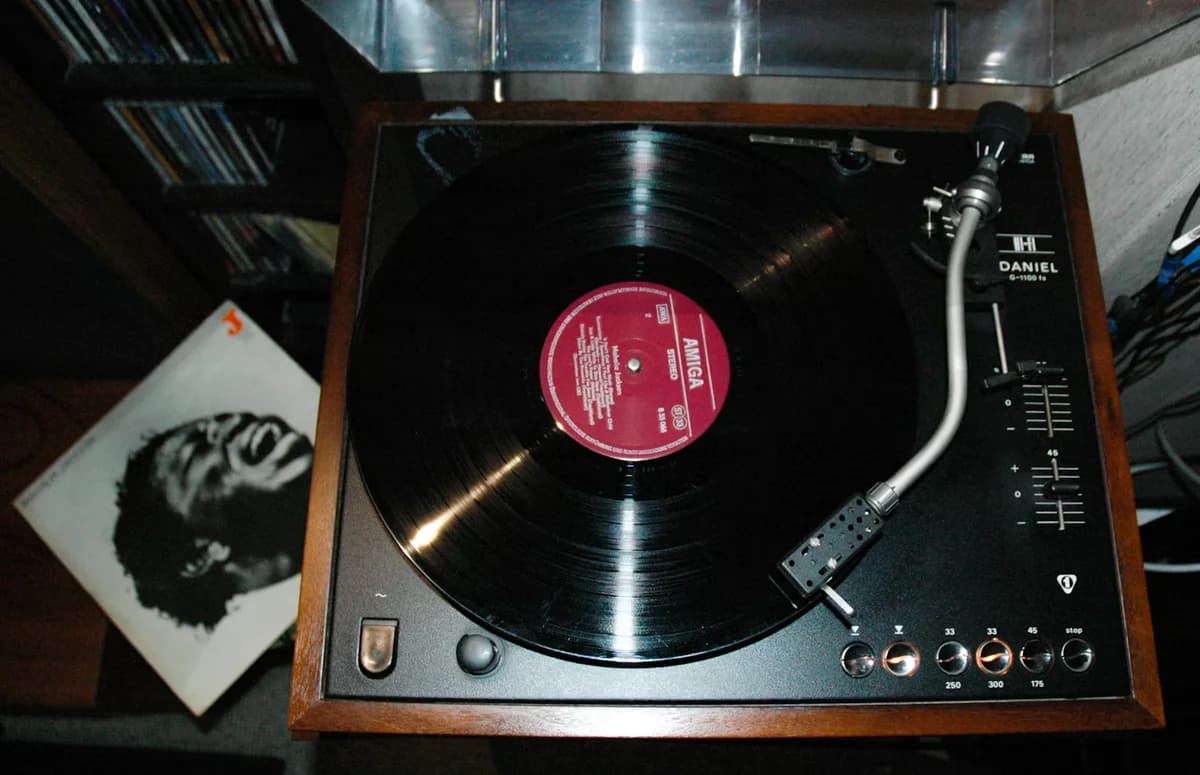
Paid to the songwriter and publisher whenever the composition is reproduced. This includes physical manufacturing (CDs, vinyl), digital downloads, and the temporary reproduction that occurs when a user streams a song on Spotify or Apple Music.
In the US, the 2026 statutory mechanical rate for physical formats and permanent downloads is 13.1 cents per work (up from 12.7 cents in 2025), as set by the Copyright Royalty Board under the Phonorecords IV settlement. For streaming, songwriters and publishers receive 15.3% of a US interactive streaming service's revenue, rising to 15.35% in 2027.
Collect mechanicals through the MLC (in the US) or a publishing administration service.
2. Performance Royalties
Paid to the songwriter and publisher whenever the composition is broadcast or performed publicly. This includes AM/FM radio, TV broadcasts, live concerts, background music in restaurants, and digital streaming.
Collect through a PRO like ASCAP, BMI, SESAC, or PRS. See our PRO comparison guide for help choosing one.
3. Master Recording Royalties
Paid to the record label (and the performing artist, after recoupment) whenever the actual sound recording is sold, downloaded, or streamed. This is the largest chunk of money generated by streaming platforms.
Collect through your digital distributor or your record label.
4. Neighboring Rights
Paid to the record label and performing artists (including session musicians) whenever the sound recording is broadcast on non-interactive digital radio like SiriusXM or Pandora. In most countries outside the US, this also includes terrestrial AM/FM radio.
Collect through a neighboring rights society like SoundExchange in the US or PPL in the UK.
Real-World Example
According to 2026 data published by the NMPA and sourced from the MLC, 1 million US streams on major platforms generate the following publishing royalties (mechanical plus performance combined):
| Platform | Publishing Royalties per 1M US Streams |
|---|---|
| Spotify (free, ad-supported) | $800 |
| Spotify (individual paid) | $1,346 |
| YouTube Music (individual paid) | $2,159 |
| Apple Music (individual paid) | $2,367 |
| Amazon Music (individual paid) | $3,743 |
These are publishing-only figures. They exclude the master recording royalty, which is larger. Most commercial songs have four to five credited writers, so this pool splits multiple ways. A single writer on a 5-writer track earning $1,346 from 1 million paid Spotify streams receives roughly $269 before their publisher's commission.
The streaming mechanical rate has technically increased year over year under Phonorecords IV, but the effective per-stream payout has declined in some cases due to Spotify's bundling practices, which reclassify certain streams and reduce the revenue pool subject to mechanical royalties. This is a central issue in the ongoing Phonorecords V rate proceedings.
Why It Matters for Independent Artists
If you do not proactively register with every collection pipeline, your royalties get stuck. Uncollected money sits in a "black box." After a few years, collection societies legally liquidate those funds and distribute them to major publishers and labels based on market share.
Register with the MLC for mechanicals, a PRO for performance royalties, SoundExchange for neighboring rights, and a digital distributor for master royalties. Audit your statements periodically. The MLC encourages songwriters to audit rather than trust statements blindly.
Use our Streaming Royalty Calculator to estimate your earnings across platforms, and our Publishing Royalty Split Calculator to divide revenue among co-writers. Read All the Music Royalties You Should Be Collecting and Mechanical Royalties Explained for a full breakdown of each royalty type.