In-Depth Explanation
A sound check is the technical rehearsal that occurs in a live music venue several hours before doors open to the public. The performing artists, the Front of House (FOH) engineer, and the monitor engineer work together to tune the audio system for the specific room and ensure the band can hear themselves clearly on stage. A proper sound check is the difference between a professional, tight-sounding concert and a chaotic, feedback-filled disaster.
How a Sound Check Works
A sound check serves two distinct purposes: mixing for the audience and mixing for the band.
The Front of House (FOH) Mix
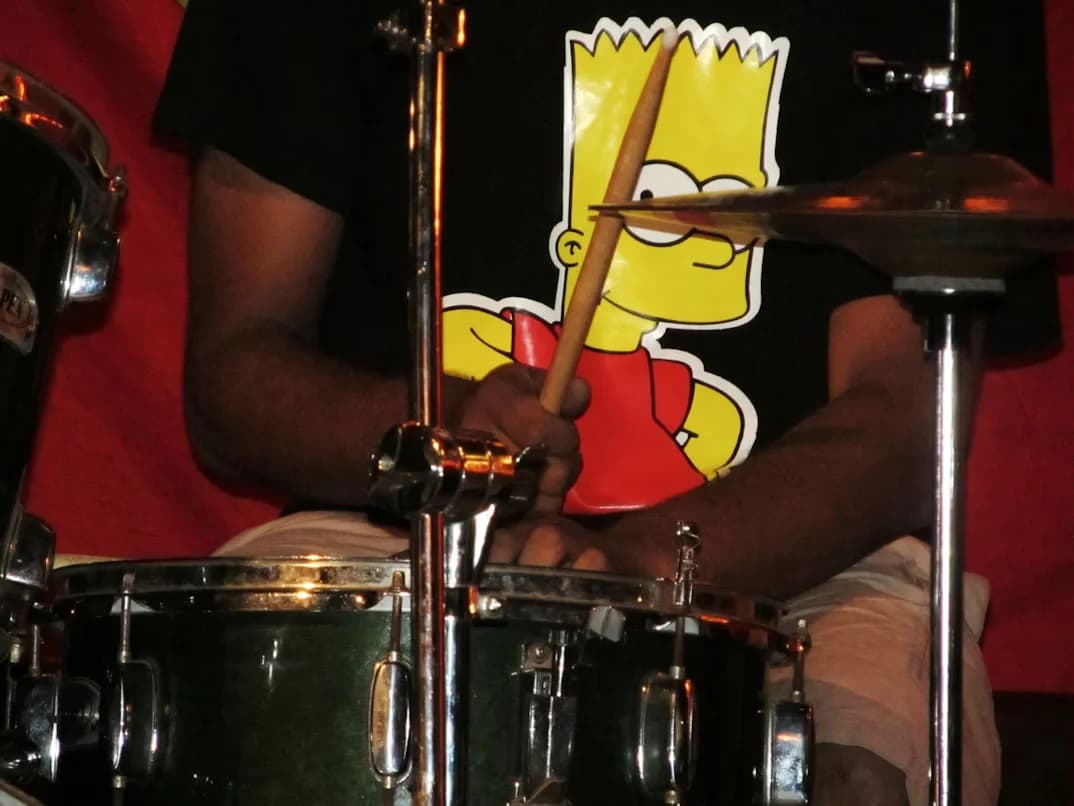
This is what the audience hears. The FOH engineer stands at the mixing desk in the middle of the room and asks each musician to play their instrument individually. They start with the drum kit (kick, snare, hi-hat, toms), setting gain levels, applying EQ, and adding compression so the drums sound powerful through the main PA system. They move to the bass, guitars, and keyboards. Finally, they check the lead and backing vocals, ensuring they are loud, clear, and sitting on top of the instrumental mix without causing high-frequency feedback.
The Monitor Mix
This is what the band hears. If a drummer is playing loudly, the lead singer physically cannot hear their own voice over the noise. Venues use stage monitors (wedge speakers aimed back at the band) or In-Ear Monitors (IEMs) to solve this. During sound check, the singer tells the monitor engineer what they need in their mix. Every musician gets a customized mix sent to their specific monitor, allowing them to play in time and sing in tune.
The Three-Step Process (2026 Standard)
Modern audio engineers increasingly divide the pre-show process into three distinct steps rather than treating everything as one sound check:
-
System check: The engineer examines the relationship between the sound system and the room before the band arrives. They play reference tracks through the PA and walk the venue, listening from every section. They check for coverage variance, resonant low-frequency modes, and reverb decay. This identifies problems the band should never have to hear.
-
Line check: The engineer verifies that every microphone, direct box, and cable is passing signal correctly. Each input is checked for the right patch position, clean signal, and reasonable gain. This takes 5 to 10 seconds per input, so a 24-input show can be line-checked in a couple of minutes. The engineer notes any issues and moves on rather than grinding to a halt for a non-critical problem.
-
Sound check: With inputs and outputs verified, the band plays one or two full songs (usually one loud, energetic song and one quiet song). The FOH engineer dials in the room mix. The monitor engineer adjusts each musician's mix. The band requests final changes, and the engineer fine-tunes everything before doors open.
Real-World Example
A four-piece indie rock band arrives at a 300-capacity venue at 5:00 PM for an 8:00 PM doors time. The FOH engineer has already completed a system check using reference tracks and identified a 6 dB level drop at the back of the room, which they correct with the PA processor.
At 5:30 PM, the band loads gear onto the stage. The engineer runs a line check, confirming all 18 inputs are coming through clean. The drummer hit a snare with performance-level velocity, and the engineer sets the input gain. The guitarist plays their loudest pedal configuration so the gain is set for show volume, not rehearsal volume.
At 6:00 PM, the full sound check begins. The engineer asks the band to play their loudest song first. The FOH mix is built: kick and bass are balanced, guitars sit in the midrange, and the lead vocal cuts through. The singer requests more of their own vocal and less guitar in their wedge monitor. The bassist asks for kick drum in their IEM mix.
At 6:30 PM, the band plays a quiet ballad. The engineer notices the vocal reverb is too long for the room and shortens the decay. The band confirms their monitor mixes are comfortable. Sound check ends at 6:45 PM. The engineer saves the scene on the digital console for recall if the band returns.
Why It Matters for Independent Artists
If you are the headliner, you get a full sound check. If you are the main support, you might get 15 minutes. If you are the local opening act, you often get no sound check at all. Instead, you get a "line check and go": you set up 15 minutes before your set, the engineer confirms signal is flowing, and they build your mix on the fly during your first song. This is a rite of passage for independent artists.
Three rules to survive any sound check:
-
Do not play unless asked. The single most important indicator of a professional band is stage discipline. Do not noodle on your guitar or tap your snare while the engineer is trying to work on another instrument. Wait for your cue.
-
Play at performance volume. Musicians often play softly during sound check, which forces the engineer to set input gain too high. When the show starts and adrenaline kicks in, the musician plays louder, causing the channel to clip and distort. Hit your drums with show-level velocity. Use your loudest pedal settings.
-
Send your stage plot and input list in advance. A stage plot is a diagram showing where each performer stands and where gear is positioned. An input list documents every audio source coming from the stage. Send these to the venue engineer before you arrive. The crew can place stands, run cables, and position DI boxes before you get there, drastically reducing your setup time.
In 2026, In-Ear Monitor (IEM) systems have become affordable enough for independent artists to bring their own. If you use IEMs, ask the monitor engineer to insert a limiter on your IEM outputs as a safeguard against sudden volume spikes. Hearing health is a priority. Never hot-patch or drop microphones on stage, as sudden signal bursts can damage IEM users' ears. Read our tour booking guide and our international touring guide for more on how sound checks fit into the broader touring workflow. Browse our venues directory to find rooms with house engineers and installed PA systems.
Related Terms
- Rider - The technical document that specifies your sound check requirements and stage layout
- Set List - The planned song order that determines which songs you play during sound check
- Guarantee - The payment structure that determines whether you have leverage to request a full sound check
- EQ (Equalization) - The primary tool the FOH engineer uses to shape the room mix
- Compression - Applied to drums and vocals during sound check to control dynamics