In-Depth Explanation
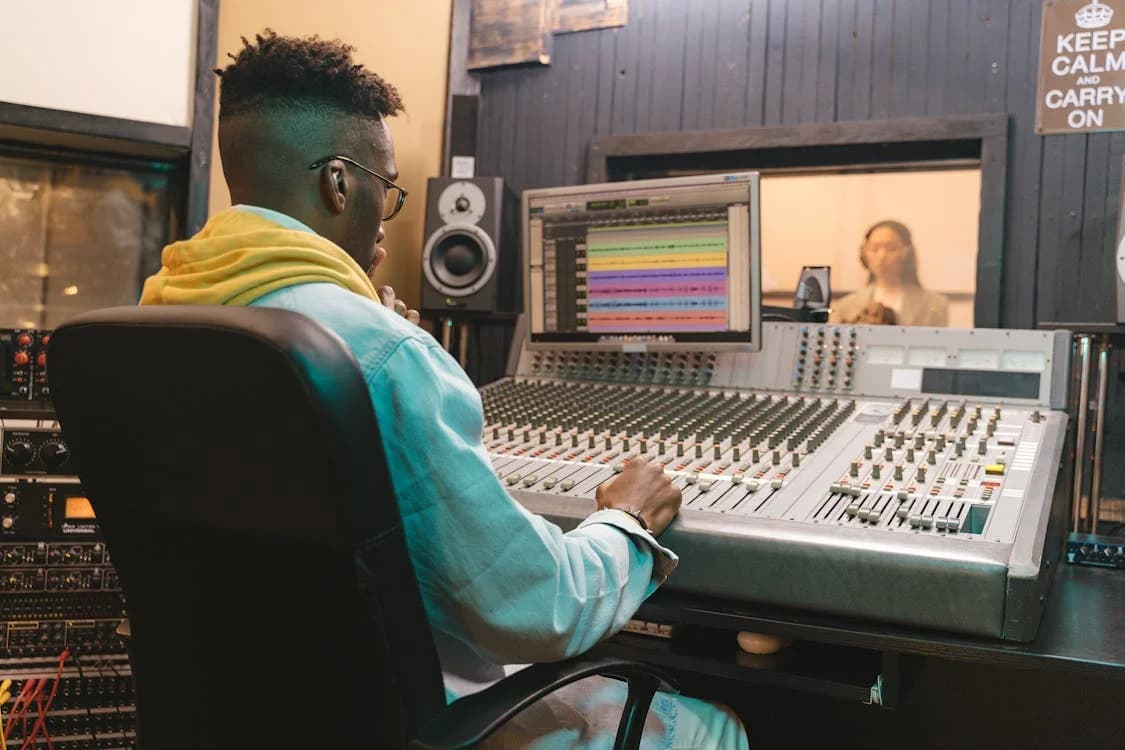
A DAW (Digital Audio Workstation) is software for recording, editing, mixing, and producing audio on a computer. It serves as the central hub for modern music production, combining multitrack audio recording, MIDI sequencing, virtual instruments, audio effects, and mixing automation in one application. Every commercial release produced in the last two decades was made or finished in a DAW. The major DAWs in 2026 are Ableton Live, Logic Pro, FL Studio, Pro Tools, Cubase, Bitwig Studio, and Reaper.
How a DAW Works
A DAW operates on a timeline. You record audio onto tracks, each of which can hold one or more clips or regions. You can edit these clips by cutting, moving, stretching, or fading them. The DAW plays back all tracks simultaneously through a mixer, where you adjust volume, panning, and apply effects plugins.
Every DAW handles two types of data. Audio data is recorded sound, stored as waveforms on disk. MIDI data is performance information (note pitch, velocity, duration) that triggers virtual instruments inside the DAW. The DAW converts MIDI into sound in real time using software synthesizers and samplers.
The audio engine processes sound in blocks called buffers. The buffer size you choose determines the tradeoff between latency and CPU load. Lower buffers reduce monitoring delay during recording. Higher buffers prevent dropouts during heavy mixing sessions.
Major DAWs in 2026
Each DAW has strengths that suit different workflows:
- Ableton Live 12: Dominates electronic music and live performance. Its Session View lets you launch clips and build arrangements in real time. The 2026 version added real-time stem separation and expanded MIDI 2.0 support. Suite costs $449.
- Logic Pro 12: The best value on Mac at $199.99 one-time, or available through Apple's Creator Studio subscription at $12.99 per month. Ships January 2026 with AI-assisted mastering tools and expanded Dolby Atmos support. Includes over 28,000 loops and 1,400 instrument patches.
- FL Studio: The standard for hip-hop, trap, and beat-driven production. Known for its pattern-based workflow and piano roll. Offers lifetime free updates after a single purchase. All Editions run on Windows and Apple Silicon Macs.
- Pro Tools: The industry standard in professional recording studios and film/TV post-production. Dominates tracking sessions and large-format mixing environments.
- Cubase Pro: Favored by composers for its deep MIDI scoring tools and VST Expression system. Strong choice for orchestral and cinematic production.
- Reaper: $60 for a discounted personal license. Runs on Windows, macOS, and Linux. Lightweight, highly customizable, and remarkably powerful for the price.
- Bitwig Studio: Built for sound designers and modular-minded producers. Has the strongest Linux support of any commercial DAW.
Real-World Example
A beatmaker starts a trap track in FL Studio at 75 BPM. They program a drum pattern in the step sequencer, then play a melody into the piano roll using a MIDI keyboard. FL Studio's sampler loads a one-shot kick and snare. They add a VST synthesizer for the bassline.
After the beat is built, they export the stems and send them to a mix engineer who works in Pro Tools. The engineer imports the stems, adds EQ and compression, and mixes the track on a large-format console emulation. The final mix is mastered in Ableton Live using its built-in limiter and true peak meter. Three DAWs were used in the production chain, each chosen for its specific strength.
Why It Matters for Independent Artists
Your DAW is your studio. Choosing the right one early saves you from having to relearn workflow habits later. If you make beats, FL Studio or Ableton Live is the natural starting point. If you record live bands, Pro Tools or Logic Pro is the better choice. If you compose orchestral or cinematic music, Cubase gives you the deepest MIDI tools.
Most DAWs offer a free trial or a free tier. Try two or three before committing. The cheapest serious options in 2026 are Reaper ($60), GarageBand (free on Mac), and Cakewalk Sonar (free on Windows via BandLab). For a complete guide to getting started with production, read our music production essentials and our 2026 DAW comparison.