In-Depth Explanation
A mechanical license is a legal agreement that grants permission to reproduce and distribute a copyrighted musical composition in audio-only formats, including CDs, vinyl, permanent digital downloads, and interactive streams. It is required anytime someone records a song they did not write, such as a cover song.
How a Mechanical License Works
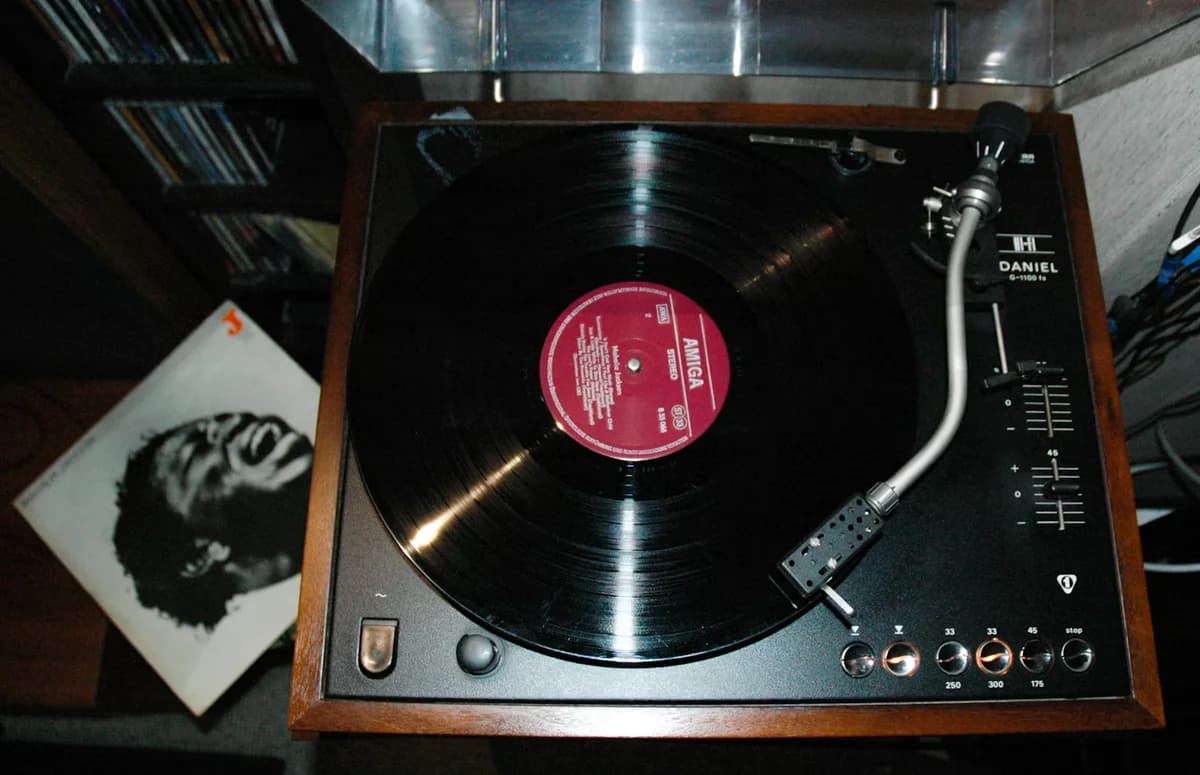
The term "mechanical" dates back to the early 1900s when music was reproduced using mechanical piano rolls and phonograph stamping machines. The name stuck even as formats evolved through cassettes, CDs, MP3s, and streaming.
A mechanical license covers only the underlying composition (the lyrics and melody). It does not cover the sound recording itself. If you want to sample someone's actual recording, you need a separate master use license. If you want to use a song in a video, you need a sync license instead.
The Compulsory License (Section 115)
U.S. copyright law includes a provision called the compulsory mechanical license, codified in Section 115 of the Copyright Act. Once a songwriter publishes a song, anyone can record a cover version without asking permission, provided they follow three rules:
- The cover does not fundamentally change the melody or basic character of the song (otherwise it becomes a derivative work, which requires direct permission).
- The person covering the song files a Notice of Intention with the copyright owner before or within 30 days of distribution.
- The person pays the statutory rate set by the U.S. Copyright Royalty Board for every copy made or distributed.
This means you can legally cover any commercially released song. The songwriter cannot say no, as long as you pay the statutory fee.
Getting a License for Physical and Downloads
For physical media (CDs, vinyl) and permanent downloads (iTunes, Bandcamp), you must secure the license and pay royalties upfront before manufacturing or selling. The easiest method is using the Harry Fox Agency Songfile service, Easy Song Licensing, or Affordable Song Licensing. You specify the quantity, pay the statutory rate per unit, and they issue the license.
Getting a License for Streaming
For interactive streaming (Spotify, Apple Music), the process is simpler. When you upload a cover through a digital distributor like DistroKid or TuneCore, you check a box indicating it is a cover. The distributor charges a small annual fee (around $12) to handle licensing.
Under the Music Modernization Act of 2018, streaming platforms themselves are responsible for securing blanket mechanical licenses through The Mechanical Licensing Collective (The MLC). This removed the burden from individual artists for streaming covers.
Real-World Example
As of January 1, 2026, the U.S. statutory mechanical rate is $0.131 (13.1 cents) per song for songs five minutes or shorter, up from 12.7 cents in 2025. For songs exceeding five minutes, the rate is 2.52 cents per minute of playing time.
If you press 500 vinyl copies of an album containing 10 cover songs, the calculation is straightforward:
- 10 songs x 500 copies = 5,000 total units
- 5,000 x $0.131 = $655.00 in mechanical royalties
You pay this amount upfront through HFA Songfile or a similar service before pressing the records. The money goes to the publishers of those 10 songs.
For streaming, you pay nothing upfront. Your distributor handles the licensing, and the streaming platform pays mechanical royalties to The MLC, which distributes them to publishers.
Why It Matters for Independent Artists
If you release a cover song without a mechanical license, you are committing copyright infringement. The publisher can issue a takedown notice, and you may face statutory damages of up to $150,000 per song.
For physical releases, always secure licenses before manufacturing. The 2026 rate of 13.1 cents per song adds up quickly on a 10-track album pressed at 1,000 copies ($1,310 total). Budget for this cost before pressing.
For streaming covers, use a distributor that offers cover song licensing. DistroKid, TuneCore, and CD Baby all provide this service for a small annual fee. Never upload a cover to streaming platforms without going through the proper cover song process.
Read our full guide on Mechanical Royalties Explained: How to Collect Them and our Music Publishing Complete Guide for more detail.