
How to Monetize Your Fanbase in 2026
A couple of methods to monetizing your fans in 2026 as musicians.
A couple of methods to monetizing your fans in 2026 as musicians.
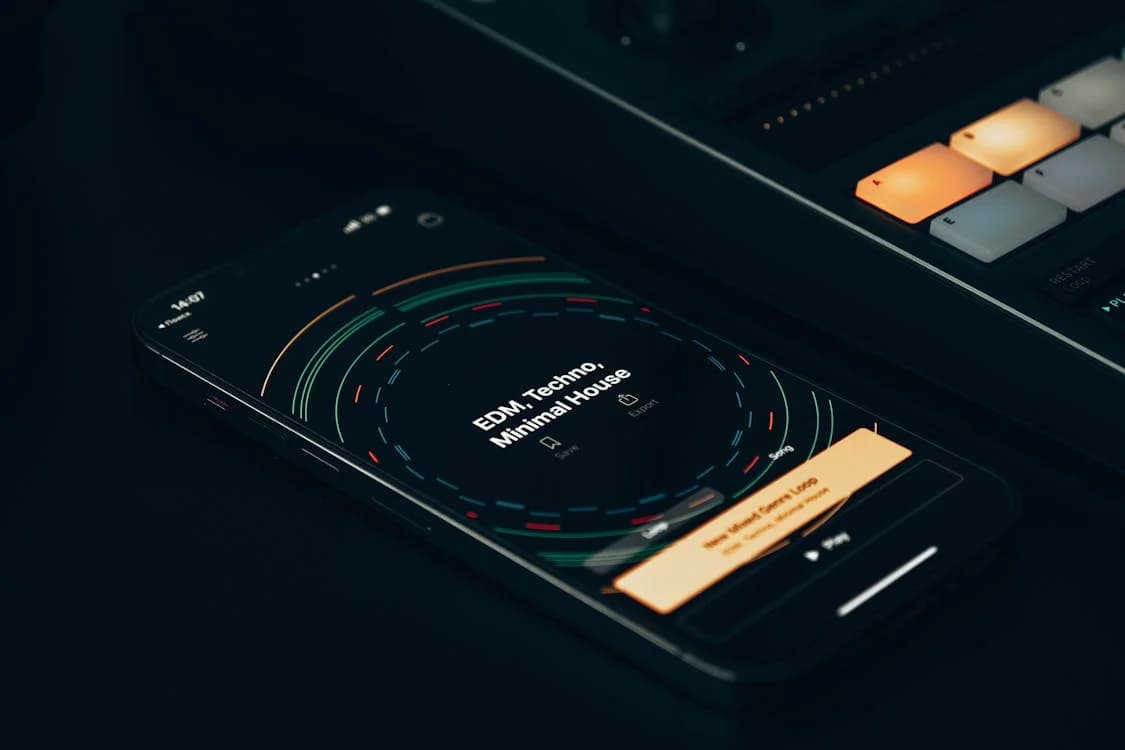
Can you make money with AI music? Yes, but the legal and platform rules matter more than most people realize. Here is what actually works, what gets accounts banned, and how to earn from AI music without losing your royalties.
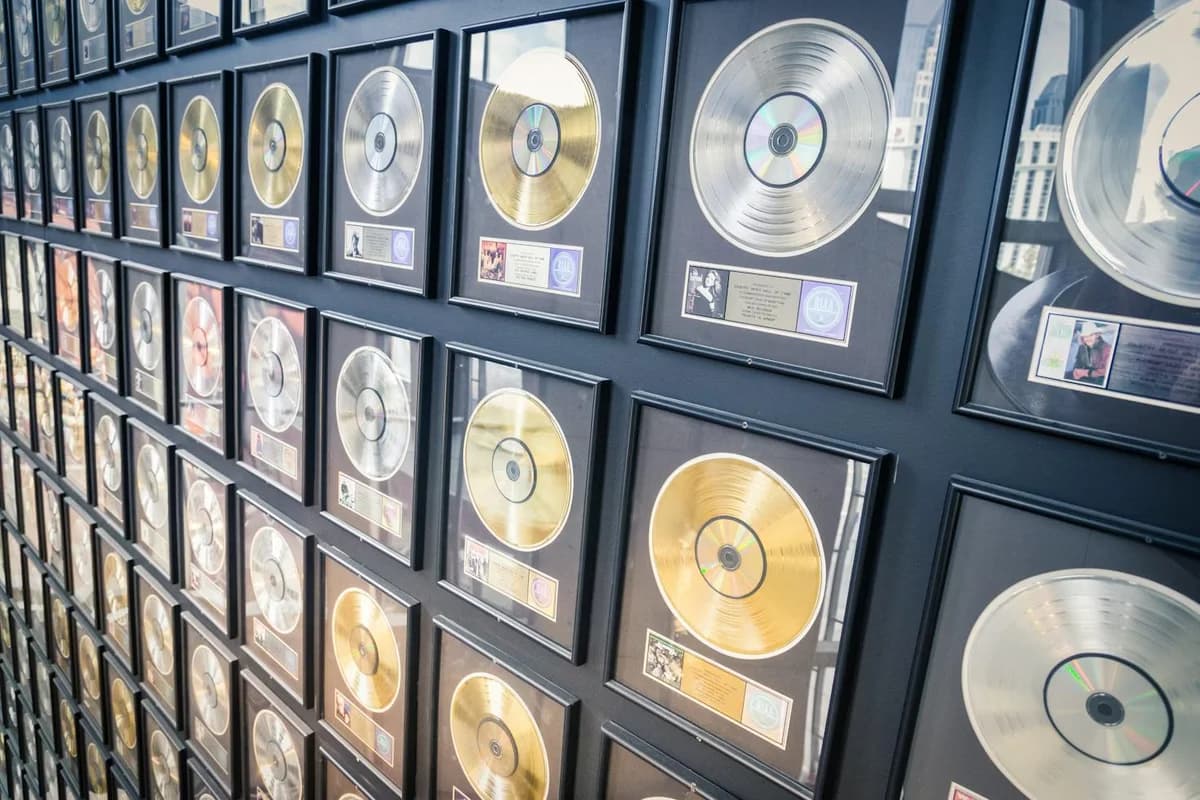
What artists actually earn from platinum records, covering streaming royalties, major label recoupment, and the power of independent ownership.

Here are 21 ways musicians can earn income in 2026, from streaming royalties to session work. Most successful independent artists combine 3-5 of these streams.
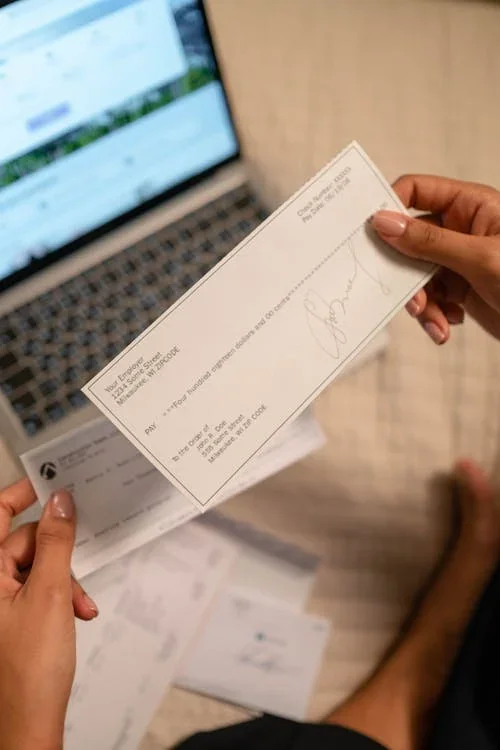
Most independent artists collect 2 or 3 of the 13 royalty streams they are owed. This guide covers every royalty type, who collects it, and the exact steps to make sure none of your money goes unclaimed.

Video game sync licensing works differently from TV and film. This guide covers how placements happen, what developers actually need from music, how deals are structured, and the specific steps to get your catalog in front of the people making buying decisions.

Streaming pays $0.004 per stream. Live shows pay $500 to $5,000 per night. Sync licensing pays $3,000 to $75,000 per placement. Here is how to build a revenue stack that does not collapse when any single source has a bad month.
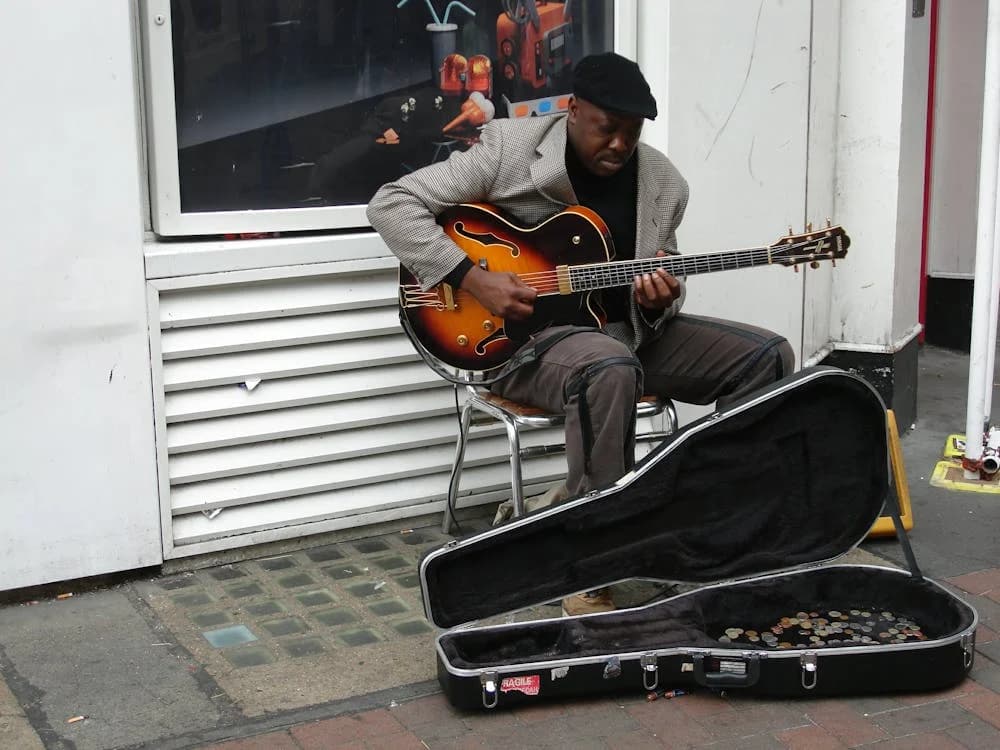
From streaming royalties and sync licensing to live performance and merchandise, this is your complete roadmap to building sustainable income as a musician in 2026. Learn about every revenue stream available and how to maximize each one.
Most musicians ignore their finances until tax season hits. This guide covers income tracking, deductible expenses, quarterly taxes, bookkeeping basics, and when to hire an accountant.
Pharrell Williams spent years as a session producer before building a solo artist career. Questlove pivoted from drummer to author, director, and cultural commentator without abandoning music. Charlie Puth transitioned from YouTube covers to major pop production. Career pivots in music are not failure. They are often how sustainable careers are actually built.
Your superfans are willing to pay for more, but most artists don't know what to offer them. This guide breaks down exactly what exclusive content works, how to price it, and which platforms to use.
TuneCore is a digital music distributor owned by Believe, offering unlimited distribution to 150+ stores starting at $24.99/year with 100% streaming royalty retention. Known for strong publishing administration and granular analytics. Based in the United States, founded in 2005. Keeps 20% of social platform revenue (TikTok, YouTube, Instagram, Facebook).
dig dis! is a German music distributor founded in 2006, focused on labels rather than individual artists. Offers free registration with three different plans available as monthly or yearly subscriptions. Has direct contracts with iTunes, Apple Music, Beatport, Spotify, SoundCloud, YouTube, Amazon, Traxsource, Deezer, Pandora, TikTok, Instagram, Facebook, and more. Provides the free digdis.app for label management with tools for release creation, promotion campaigns, sales analytics, financial statements, real-time chart tracking, revenue splits, and smart links. ISRC codes cost 0.75 EUR each, EAN/UPC codes cost 1.00 EUR each. Gives 365 days of full control. WARNING: charges a 30 EUR fee per release if you leave their service. Best for labels that want a dedicated label-focused distributor with integrated management tools.
e-Muzyka is the leading music distributor on the Polish market, based in Warsaw, Poland, founded in 2005. Part of Empik Group with 20 employees. Represents 650+ Polish independent labels and works with all major labels (Universal, Sony, Warner). Distributes to Spotify, YouTube, Tidal, iTunes, TikTok, Facebook, and more. Certified YouTube partner and biggest multi-channel network in Poland with 250+ million monthly views. Offers physical distribution (CDs, DVDs, books), mobile value-added services, marketing campaigns, and Empik store promotional services. Launched emuze.me self-service platform with 85% revenue share, 50+ services, no long-term contracts, and no upfront fees. Best for Polish artists and labels, and anyone targeting the Polish market.


