In-Depth Explanation
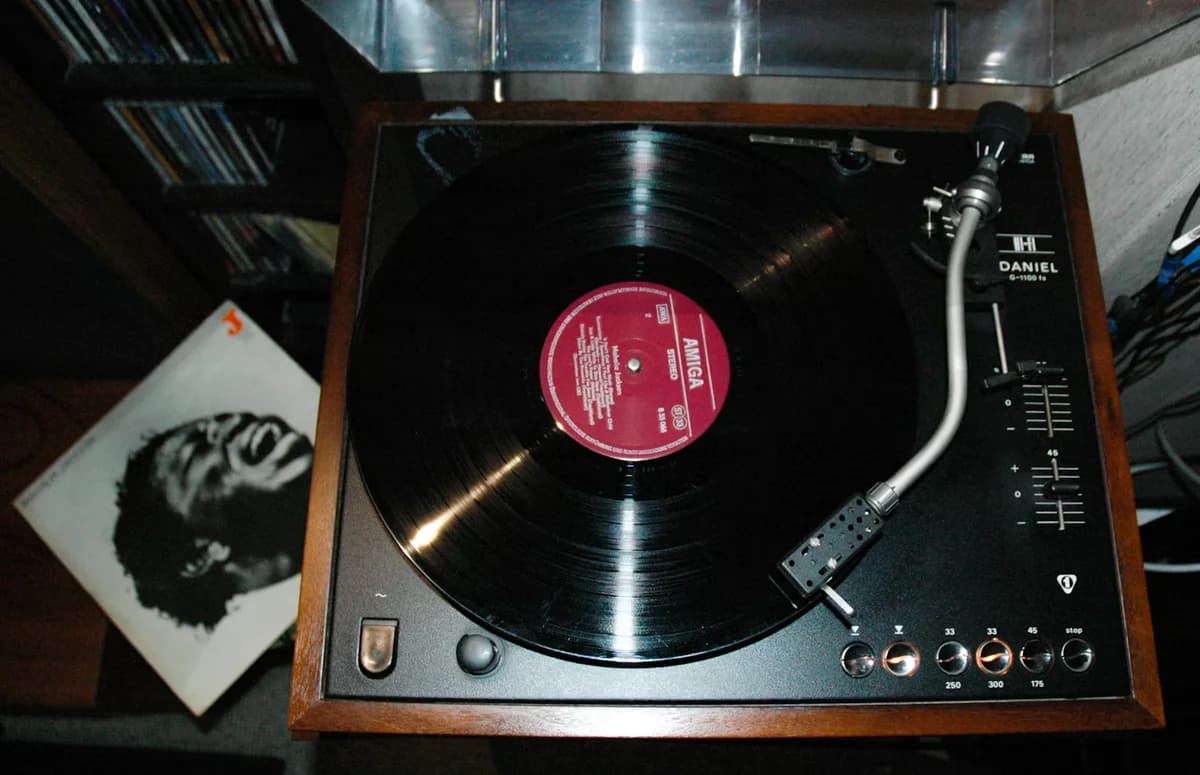
Reproduction rights are the exclusive rights granted to copyright holders under Section 106 of the US Copyright Act to make copies of a musical work or sound recording. In the music industry, the exercise of reproduction rights triggers a mechanical royalty. Every physical copy pressed (vinyl, CD), every digital download sold, and every interactive stream cached on a server constitutes a reproduction. These rights belong to the songwriter and their publisher for the composition, and to the record label and artist for the sound recording.
How Reproduction Rights Work
Copyright in music involves two separate works, each with its own reproduction rights. The first is the musical composition (the melody and lyrics), owned by the songwriter and publisher. The second is the sound recording (the specific recorded performance), owned by the artist and label. When a streaming service plays a song, it reproduces both works. It pays a mechanical royalty to the composition owner and a master royalty to the sound recording owner.
For the composition, reproduction rights are exercised through a mechanical license. Under Section 115 of the Copyright Act, once a song has been distributed to the public in the US, anyone can obtain a compulsory mechanical license to cover that song by paying the statutory rate. As of January 1, 2026, that rate is 13.1 cents per song for physical formats and permanent downloads, or 2.52 cents per minute of playing time, whichever is greater. This is the highest statutory mechanical rate in US history, up from the 9.1 cent rate that was frozen for 15 years.
For interactive streaming, the Music Modernization Act of 2018 created a blanket mechanical license administered by the Mechanical Licensing Collective (The MLC). Streaming services pay The MLC, which distributes royalties to publishers and songwriters. The Harry Fox Agency (HFA) no longer collects or distributes streaming mechanical royalties. That responsibility moved to The MLC on January 1, 2021.
For the sound recording, reproduction rights are negotiated directly between the label and the streaming service or distributor. There is no compulsory license for sound recordings in the streaming context. Rates are set by market negotiations.
Real-World Example
An independent artist records a cover of a popular song and wants to sell 1,000 CDs and 500 digital downloads. They need a mechanical license for the composition. Using HFA's Songfile service, they license the cover at the 2026 statutory rate of 13.1 cents per copy. For 1,500 total units, they owe $196.50 in mechanical royalties to the songwriter's publisher. They pay this before manufacturing any copies.
If the same artist instead distributes the cover only to streaming platforms, they do not need to obtain an individual mechanical license. The streaming service obtains the blanket license through The MLC. The artist's distributor reports the usage, and The MLC pays the publisher directly. The artist never handles the mechanical royalty for streams.
Why It Matters for Independent Artists
Reproduction rights are the financial backbone of music publishing. If you write original songs, you earn mechanical royalties every time someone buys, downloads, or streams your composition. If you cover someone else's song, you owe mechanical royalties to their publisher. Failing to license a cover properly exposes you to copyright infringement liability, including statutory damages of up to $150,000 per work.
Register your original songs with The MLC so you receive streaming mechanical royalties. If you sell physical copies or downloads of a cover, obtain a mechanical license through HFA Songfile or the publisher before you manufacture. Use our Publishing Royalty Split Calculator to estimate how much each co-writer earns from mechanical royalties. For a full breakdown of how these payments work, read our guide on mechanical royalties explained and our complete music publishing guide.
Related Terms
For the official legal text governing reproduction rights, see 17 U.S.C. Section 106 on the US Copyright Office website. For details on the compulsory mechanical license, see Copyright Office Circular 73.